
Chamomile Tea Bags: Benefits, Uses, Brewing Guide, Safety & Complete Buying Guide
What Are Chamomile Tea Bags?
Chamomile tea bags are pre-portioned, convenient filter packages containing dried chamomile flowers — sometimes blended with complementary herbs like lavender, lemon balm, or passionflower — designed for single-cup steeping at home or on the go.
Unlike traditional teas such as green, black, or oolong — which are made from Camellia sinensis leaves — chamomile tea bags contain no tea plant material whatsoever. This classifies chamomile as a herbal infusion or tisane, not a true tea in the botanical sense. That distinction explains two things most people want to know immediately: why chamomile is naturally caffeine-free, and why it carries a completely unique set of health compounds found nowhere else in the tea world.
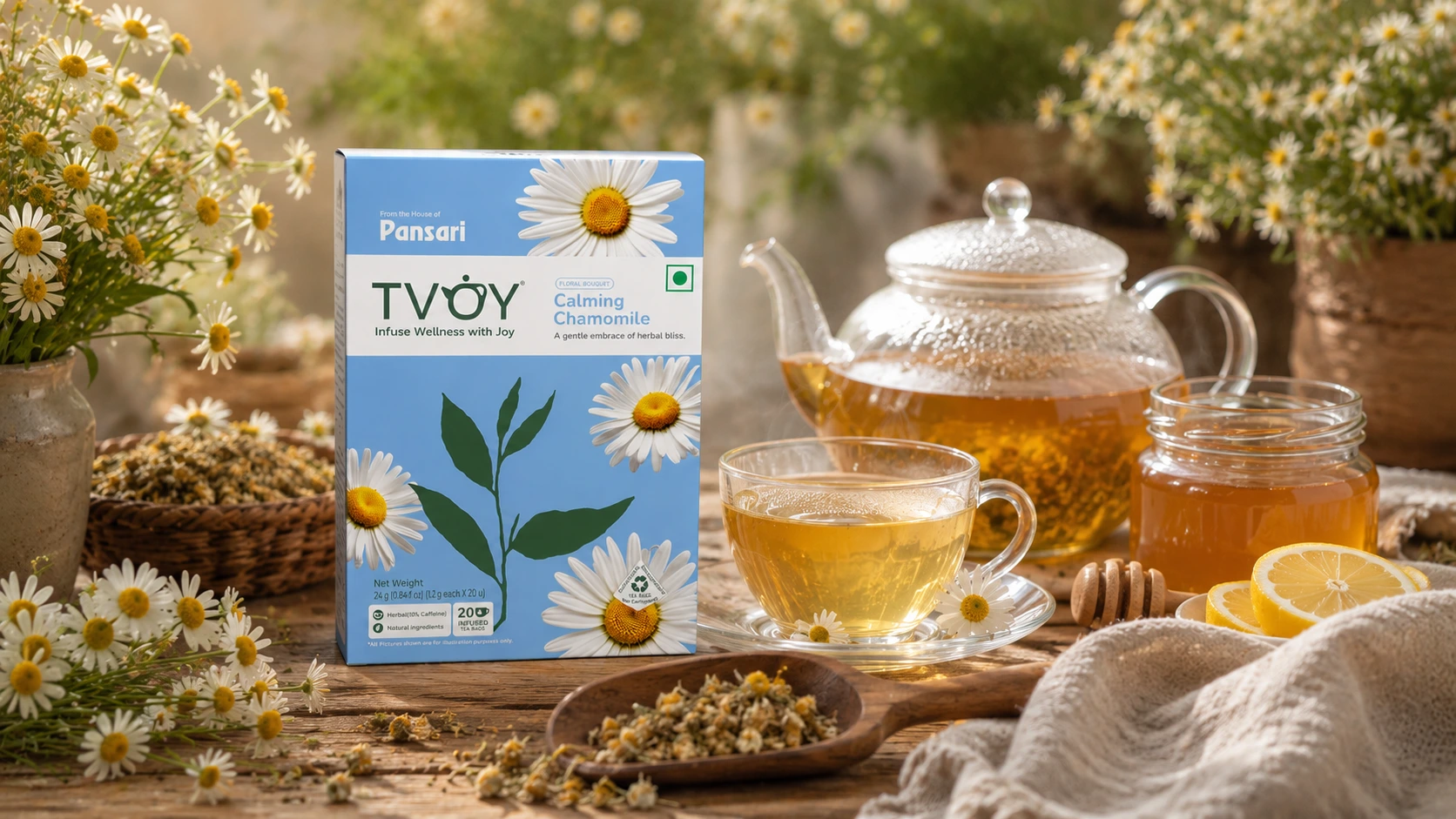
The chamomile flower itself — small, white-petaled, with a golden-yellow center — is the part of the plant that gets harvested, carefully dried, and processed into the tea bags you buy at the store. Its recognizable honey-apple aroma and mild, slightly floral flavor come from volatile essential oils released the moment hot water contacts the flower material inside your bag.
Chamomile tea bags are among the most purchased herbal products in the United States, the United Kingdom, Canada, and Australia. Their popularity is not just cultural tradition — it is increasingly backed by a growing body of peer-reviewed scientific research confirming what ancient civilizations already knew: chamomile works.
Whether you are looking for a gentle way to wind down before bed, support your digestive system after a heavy meal, manage daily stress without pharmaceuticals, or simply replace your afternoon coffee with something genuinely nourishing — chamomile tea bags are one of the most versatile, accessible, and evidence-supported choices available.
A Brief History of Chamomile
Chamomile has been valued as a medicinal plant for more than 5,000 years, making it one of the oldest documented herbal remedies in human history.
Ancient Egypt: The Egyptians considered chamomile a sacred plant and dedicated it to Ra, their sun god. They used chamomile flower preparations in religious ceremonies, as a skin remedy, and in the embalming process — a testament to how highly they regarded its properties.
Ancient Greece and Rome: Greek physicians including Hippocrates, Dioscorides, and Galen documented chamomile’s therapeutic uses for fevers, digestive disorders, nervous conditions, and inflammation. The very name “chamomile” comes from the Greek word khamaimelon, meaning “earth apple” — a reference to the plant’s low-growing habit and its distinctive apple-like fragrance.
Medieval Europe: Chamomile became a staple of monastery gardens and folk medicine across Europe. Healers prescribed it for everything from insomnia and indigestion to skin irritations and menstrual discomfort. It was one of the nine sacred herbs celebrated in Anglo-Saxon texts.
18th and 19th Centuries: As trade routes expanded, chamomile became one of the most widely exported medicinal herbs from Europe to North America and beyond. German and Hungarian chamomile — the variety most commonly used in tea bags today — became particularly sought after for its high essential oil content and superior therapeutic potency.
Today: Chamomile is estimated to be consumed at a rate of more than one million cups daily worldwide. It consistently ranks among the top five best-selling herbal teas in every major English-speaking market. Its transition from ancient folk remedy to clinically studied, peer-reviewed botanical medicine is one of the more remarkable stories in the history of natural health.
German vs. Roman Chamomile — Which Is in Your Tea Bag?
Not all chamomile is the same. Two distinct species are used commercially, and understanding the difference helps you make smarter buying decisions.
| Feature | German Chamomile (Matricaria chamomilla) | Roman Chamomile (Chamaemelum nobile) |
|---|---|---|
| Common Names | True chamomile, Hungarian chamomile, Blue chamomile | English chamomile, Garden chamomile |
| Flower Structure | Hollow, conical yellow center when mature | Solid, flatter center |
| Apigenin Content | Significantly higher | Lower |
| Essential Oil Color | Deep blue (from chamazulene) | Pale blue-green |
| Flavor Profile | Mild, apple-honey, slightly sweet | Slightly more bitter, earthier |
| Primary Commercial Use | Tea bags, medicinal products | Aromatherapy, cosmetics, limited tea use |
| Scientific Research | Extensive, multiple human clinical trials | Very limited human research |
| Used in Commercial Tea Bags? | Yes — overwhelmingly | Rarely |
The straightforward answer: Nearly every chamomile tea bag you will find from any reputable brand — Shasha , Celestial Seasonings, Bigelow, Twinings, Harney and Sons, Traditional Medicinals, Pukka, Republic of Tea, Stash, and others — uses German chamomile (Matricaria chamomilla).
German chamomile is the species with the highest concentrations of apigenin (the primary sleep and anxiety compound), the most robust body of clinical evidence, and the most appealing flavor profile for tea drinkers. When a product label simply says “chamomile tea,” it is almost always German chamomile inside the bag.
How Chamomile Tea Bags Are Made ?
Understanding the production journey from farm to tea bag helps you identify quality products and know what questions to ask when buying.
Step 1 — Cultivation
Chamomile thrives in temperate climates with well-drained soil and plenty of sunlight. The world’s primary chamomile-producing regions include Egypt, Germany, Hungary, Morocco, Argentina, and the Czech Republic. Egypt is the single largest global exporter of chamomile. Organic chamomile is cultivated using no synthetic pesticides, herbicides, or chemical fertilizers — an important distinction for a product you steep in hot water and drink.
Step 2 — Harvesting
Chamomile flowers are harvested at peak bloom — the precise window when concentrations of apigenin, bisabolol, and essential oils are at their highest. Even a delay of a few days can significantly reduce the potency of the final product. Harvesting may be done by hand (premium, artisan operations) or by specialized harvesting machinery (large-scale commercial farms).
Step 3 — Drying
Harvested flowers are dried at low temperatures, typically below 104°F (40°C), to preserve the delicate volatile oils and heat-sensitive bioactive compounds that define chamomile’s therapeutic and flavor properties. Some premium producers use freeze-drying technology, which more precisely preserves phytochemical integrity and produces a noticeably more vibrant, aromatic final product.
Step 4 — Milling, Sifting, and Blending
Dried chamomile is cut, sifted, and graded by particle size. Whole and large-cut flowers are reserved for premium products; finely ground material (called “fannings” or “dust”) is used in lower-grade tea bags. If the product is a blend, complementary herbs are added and mixed at this stage.
Step 5 — Filling and Sealing
Chamomile is measured precisely and filled into tea bag material — either flat paper bags, round bags, or three-dimensional pyramid sachets — then heat-sealed or assembled with a string and tag.
Step 6 — Quality Control and Testing
Responsible producers test every batch for pesticide residues, heavy metals (lead, arsenic, cadmium), microbial contamination (E. coli, Salmonella, mold), moisture content, and essential oil concentration before packaging and distribution.
Ingredients and Nutritional Profile
What Is Actually Inside a Chamomile Tea Bag?
Single-ingredient products: Dried chamomile flowers only. This is the purest option and ideal for those with herbal sensitivities, allergies, or who simply want unadulterated chamomile.
Blended products: Chamomile combined with lavender, lemon balm, passionflower, valerian root, spearmint, licorice root, or other herbs. These blends are often formulated for enhanced sleep, deeper relaxation, or digestive support.
Bag materials: Conventional bags use bleached or unbleached paper. Premium brands increasingly use compostable corn-based PLA (polylactic acid), cotton muslin, or hemp for their pyramid sachets. It is worth noting that some nylon mesh pyramid sachets — still common in the industry — may release microplastic particles in boiling water. Always choose brands that explicitly state their sachet material.
Nutritional Profile of Chamomile Tea (Per 8 oz Brewed Cup)
| Nutrient / Compound | Amount Per 8 oz Cup |
|---|---|
| Calories | 0–2 kcal |
| Total Fat | 0 g |
| Carbohydrates | 0.3–0.5 g |
| Protein | 0 g |
| Caffeine | 0 mg |
| Potassium | ~20–25 mg |
| Fluoride | ~0.2 mg |
| Folate | Trace amounts |
| Apigenin (key flavonoid) | Present — varies by quality |
| Bisabolol (sesquiterpene) | Present |
| Chamazulene | Present |
| Quercetin | Present |
| Luteolin | Present |
| Caffeic acid | Present |
| Chlorogenic acid | Present |
Chamomile tea is essentially a near-zero-calorie beverage. Its extraordinary value does not come from macronutrients — it comes from its dense concentration of bioactive phytochemicals:
- Apigenin — The star compound. A flavonoid that binds directly to benzodiazepine receptors on GABA-A channels in the brain, producing measurable calming, anxiolytic, and sleep-facilitating effects. Also demonstrates significant antioxidant, anti-inflammatory, and antitumor activity in laboratory studies.
- Bisabolol (α-bisabolol) — A sesquiterpene alcohol responsible for much of chamomile’s distinctive scent. Proven anti-inflammatory, antimicrobial, and skin-soothing properties. Also enhances the skin penetration of other beneficial compounds.
- Chamazulene — The compound that gives chamomile essential oil its characteristic deep blue color. Formed from matricine during the drying and brewing process, chamazulene is a potent anti-inflammatory agent that inhibits COX-2 enzymes — the same pathway targeted by common NSAIDs.
- Luteolin and Quercetin — Additional flavonoids contributing antioxidant, anti-inflammatory, and immune-modulating activity to the overall profile.
- Spiroethers (en-yne-dicycloethers) — Compounds with well-documented anti-spasmodic effects on smooth muscle tissue in the gastrointestinal tract — directly responsible for chamomile’s ability to relieve cramping, bloating, and digestive discomfort.
- Caffeic acid and Chlorogenic acid — Phenolic antioxidants linked to cellular protection, immune enhancement, and reduced oxidative stress.
Does Chamomile Tea Have Caffeine?
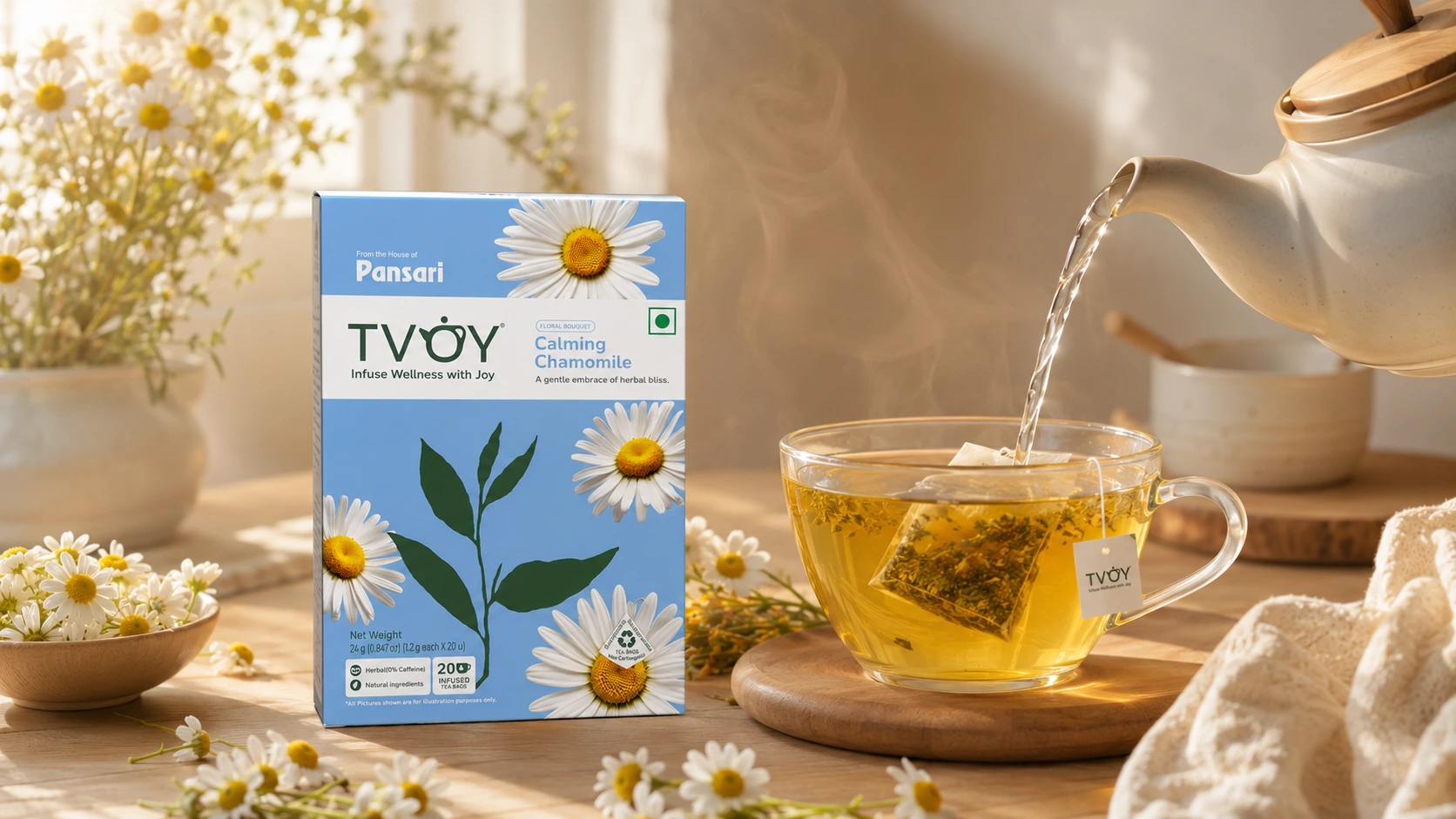
No. Chamomile tea bags are completely and naturally caffeine-free — with zero caffeine content.
This is one of the most important distinctions between chamomile herbal tea and conventional teas. Because chamomile is a flowering herb — not related in any way to the Camellia sinensis tea plant — it contains absolutely no caffeine. No processing or decaffeination is required. It is inherently, unconditionally caffeine-free.
This makes chamomile tea bags an ideal choice for:
- People sensitive to caffeine who experience jitteriness, anxiety, or heart palpitations from tea or coffee
- Seniors looking to reduce stimulant intake while maintaining a comforting warm beverage ritual
- Pregnant women seeking hot beverages that won’t affect fetal development (within safety guidelines detailed below)
- Children with parental supervision and pediatric guidance
- Anxiety sufferers for whom caffeine worsens symptoms
- Anyone who wants a warm, satisfying drink after 2:00 PM without disrupting sleep
- Sleep-focused individuals building a nighttime wind-down routine
Unlike “decaffeinated” versions of black or green tea — which still retain trace amounts of caffeine after processing — chamomile herbal tea requires no such process. It is simply, completely, and naturally free of caffeine in every cup.
Science-Backed Health Benefits of Chamomile Tea Bags
This is the core of what makes chamomile tea bags so widely trusted — not just centuries of tradition, but a growing body of peer-reviewed, published scientific research that validates what human beings have observed for millennia.
7.1 Sleep Support — Chamomile Tea Before Bed
Sleep is chamomile’s most celebrated and scientifically documented benefit. The mechanism is elegant and well-understood: apigenin, chamomile’s primary active flavonoid, binds to benzodiazepine receptor sites on GABA-A channels in the brain. This binding produces mild sedation, reduces the time it takes to fall asleep (sleep latency), and promotes longer, more restful sleep cycles — without the dependency, tolerance, and hangover effects associated with pharmaceutical sleep aids.
The science:
- A landmark 2017 randomized controlled trial published in PLOS ONE found that elderly adults who took chamomile extract for 28 consecutive days showed significantly improved sleep quality scores and dramatically reduced daytime dysfunction compared to the placebo group.
- A 2015 study published in the Journal of Advanced Nursing demonstrated that postpartum women who drank chamomile tea for two weeks reported significantly better sleep quality and fewer symptoms of postnatal depression than those who did not.
- Multiple additional studies consistently report reduced sleep latency and improved subjective sleep quality with regular chamomile consumption.
Practical application: Drink one to two cups of chamomile tea 30–45 minutes before your intended bedtime for optimal sleep-supporting effects. Pair with a dark, cool room and limited screen exposure for maximum benefit.
7.2 Anxiety and Stress Reduction
Chamomile is one of the most rigorously studied natural remedies for anxiety — and it consistently delivers results in well-designed clinical trials.
A 2009 randomized, double-blind, placebo-controlled trial published in the Journal of Clinical Psychopharmacology — one of the most rigorous study designs available — found that standardized chamomile extract significantly reduced symptoms of Generalized Anxiety Disorder (GAD) compared to placebo. A 2016 long-term follow-up study from the same research team confirmed that continued chamomile use prevented anxiety relapse in a significant percentage of participants, suggesting both acute and preventive anxiolytic effects.
Chamomile’s stress-reducing properties extend beyond just apigenin’s direct neurological action. Preliminary research also suggests chamomile may help modulate cortisol levels — the body’s primary stress hormone — contributing to a broader physiological calm that goes beyond simple sedation.
Practical application: Sip chamomile tea during high-stress periods, before important events, or as part of a daily stress management routine. Even the ritual of preparing and drinking a warm cup has demonstrated psychological relaxation benefits in behavioral research.
7.3 Digestive Health — Bloating, IBS, and Cramping
Chamomile has an unbroken 5,000-year history as a digestive remedy — and modern pharmacology explains exactly why it works. The spiroethers (anti-spasmodic compounds) and bisabolol in chamomile directly relax smooth muscle tissue throughout the gastrointestinal tract. This relaxation provides measurable relief from:
- Bloating and intestinal gas
- Abdominal cramping and spasms
- Indigestion and dyspepsia
- Irritable Bowel Syndrome (IBS) symptoms
- Nausea and general stomach upset
- Diarrhea associated with bowel spasms
Research published in Molecular Medicine Reports confirmed chamomile’s anti-spasmodic mechanism in GI smooth muscle. Additional research suggests chamomile may also exert mild prebiotic effects, supporting the growth of beneficial gut bacteria — though this area requires more human clinical data before definitive conclusions can be drawn.
Practical application: Drink one cup of chamomile tea 20–30 minutes after meals to support digestion and reduce post-meal bloating and discomfort.
7.4 Acid Reflux and GERD Support
Chamomile’s dual anti-inflammatory and smooth muscle-relaxing properties make it one of the most frequently recommended herbal remedies for acid reflux and GERD in integrative medicine practice.
The proposed mechanisms include:
- Reduction of inflammation in the esophageal lining irritated by acid exposure
- Mild relaxation of smooth muscle tissue reducing spastic discomfort
- Protective mucosal effects of bisabolol on the GI lining
- Reduction of overall GI tract irritability that can trigger reflux episodes
Important caveat: Chamomile tea is a supportive measure for mild reflux symptoms — it is not a replacement for proton pump inhibitors, H2 blockers, or medical treatment for chronic or severe GERD. Always work with your gastroenterologist if you have frequent, severe, or complicated reflux disea
7.5 Powerful Anti-Inflammatory Properties
Systemic chronic inflammation underlies dozens of serious health conditions — including cardiovascular disease, type 2 diabetes, arthritis, and certain cancers. Chamomile’s primary anti-inflammatory compounds — chamazulene and bisabolol — have been shown to inhibit cyclooxygenase-2 (COX-2) enzymes, the same biochemical pathway targeted by common over-the-counter NSAIDs like ibuprofen and naproxen.
While chamomile’s anti-inflammatory potency is significantly lower than pharmaceutical NSAIDs, its advantage lies in being a safe, daily-use, side-effect-minimal source of consistent anti-inflammatory support. Regular consumption contributes to reduced systemic inflammation as part of an overall anti-inflammatory lifestyle and diet.
7.6 Antioxidant Protection
Chamomile tea is a meaningful dietary source of polyphenol antioxidants — specifically apigenin, luteolin, quercetin, caffeic acid, and chlorogenic acid. These compounds neutralize free radicals: unstable molecules that damage DNA, proteins, and cell membranes through a process called oxidative stress.
Oxidative stress is one of the primary accelerators of aging and a well-established driver of cardiovascular disease, neurodegeneration, and cancer development. Regular consumption of antioxidant-rich foods and beverages is consistently associated with improved long-term health outcomes in large epidemiological studies spanning hundreds of thousands of participants.
By drinking chamomile tea daily, you are adding a significant and diverse package of polyphenol antioxidants to your diet — at zero calories and zero caffeine.
7.7 Immune System Support
A compelling 2009 study published in the Journal of Agricultural and Food Chemistry found that participants who consumed five cups of chamomile tea daily for two weeks showed significant increases in urinary hippurate and glycine — biomarkers directly associated with antibacterial immune activity and nervous system health.
Chamomile also demonstrates direct antimicrobial activity in laboratory settings, inhibiting the growth of several pathogenic bacterial strains. Its phenolic acid content contributes to broader immune modulation, supporting the body’s natural defense mechanisms without the adverse effects associated with pharmaceutical immune stimulants.
7.8 Sore Throat and Cold Support
Hot chamomile tea has been used as a cold and sore throat remedy across virtually every culture that grows chamomile — and there are solid mechanistic reasons why it helps:
- Anti-inflammatory action directly soothes and reduces swelling in irritated throat tissue
- Mild antimicrobial properties may help reduce pathogen load in the upper respiratory tract
- Steam inhalation from a hot cup opens nasal passages and reduces congestion
- Hydration — critical for immune function and mucus thinning during illness
- Warmth and comfort promote the rest essential for recovery
Adding raw honey to chamomile tea further amplifies these benefits. Raw honey contains hydrogen peroxide, defensin-1, and phenolic compounds with proven antimicrobial activity, and its thick consistency coats and soothes an irritated throat lining with remarkable effectiveness.
7.9 Heart Health
Long-term chamomile consumption is associated with cardiovascular benefits in observational research. A large-scale study of elderly Mexican women published in The Gerontologist found that regular chamomile tea drinkers had a 29% reduction in all-cause mortality compared to non-drinkers — a striking finding that researchers partially attributed to cardiovascular protective effects.
Laboratory and animal research has documented apigenin’s cardioprotective properties including reduction of LDL cholesterol oxidation, modest blood pressure-lowering effects, and anti-platelet activity that may reduce clotting risk. Human clinical trials specifically targeting chamomile’s cardiovascular effects remain limited — making this an active and promising area of ongoing research.
7.10 Blood Sugar Management
One of the most clinically significant emerging areas of chamomile research involves blood glucose regulation. A 2015 randomized controlled trial published in the Journal of Endocrinological Investigation found that type 2 diabetic patients who drank chamomile tea three times daily for eight weeks showed:
- Significantly reduced fasting blood glucose levels
- Reduced HbA1c (long-term blood sugar control marker)
- Reduced insulin resistance
- Reduced markers of oxidative stress
The proposed mechanism involves chamomile flavonoids inhibiting enzymes involved in glucose metabolism and reducing oxidative damage to pancreatic beta cells. While this research is preliminary and requires larger-scale replication, the findings are clinically meaningful and consistent across multiple studies.
7.11 Skin Health
Chamomile’s anti-inflammatory and antioxidant compounds benefit skin health through two pathways:
Internal (when consumed as tea): Regular daily intake of chamomile reduces systemic inflammation — a key driver of acne breakouts, eczema flares, rosacea, and accelerated skin aging. Antioxidant activity protects skin cells from UV-induced and free radical oxidative damage.
External (topical application): Cooled chamomile tea bags applied directly to the skin reduce redness, puffiness, and irritation. Bisabolol and chamazulene are among the most widely used compounds in dermatological and cosmetic products globally — appearing in formulas for eczema, rosacea, sensitive skin, and anti-aging treatments.
7.12 Weight Management and Hydration
Chamomile tea is essentially calorie-free (0–2 kcal per cup without additions). For individuals managing weight, replacing even one or two daily sugary drinks with chamomile tea creates an immediate caloric deficit without sacrifice of comfort or satisfaction. More broadly, adequate daily hydration supports metabolism, appetite regulation, energy levels, and cellular function — and chamomile tea makes an extremely pleasant, rewarding contribution to daily fluid intake goals.
Complete Benefits Summary Table
| Health Benefit | Evidence Strength | Primary Active Compound |
|---|---|---|
| Sleep support | ⭐⭐⭐⭐⭐ Strong (multiple RCTs) | Apigenin |
| Anxiety and stress reduction | ⭐⭐⭐⭐⭐ Strong (multiple RCTs) | Apigenin |
| Digestive relief and anti-spasm | ⭐⭐⭐⭐ Moderate–Strong | Spiroethers, bisabolol |
| Anti-inflammatory activity | ⭐⭐⭐⭐ Moderate–Strong | Chamazulene, bisabolol |
| Antioxidant protection | ⭐⭐⭐⭐ Moderate–Strong | Apigenin, luteolin, quercetin |
| Immune system support | ⭐⭐⭐ Moderate | Phenolic acids |
| Sore throat and cold comfort | ⭐⭐⭐ Moderate (mechanism + traditional) | Anti-inflammatory compounds |
| Blood sugar management | ⭐⭐⭐ Promising (early human trials) | Flavonoid complex |
| Heart health support | ⭐⭐ Preliminary | Apigenin |
| Skin health | ⭐⭐⭐ Moderate (topical and systemic) | Bisabolol, chamazulene |
| Weight and hydration support | ⭐⭐⭐⭐ Practical (zero-calorie benefit) | N/A — inherent property |
How to Brew Chamomile Tea Bags Perfectly ?
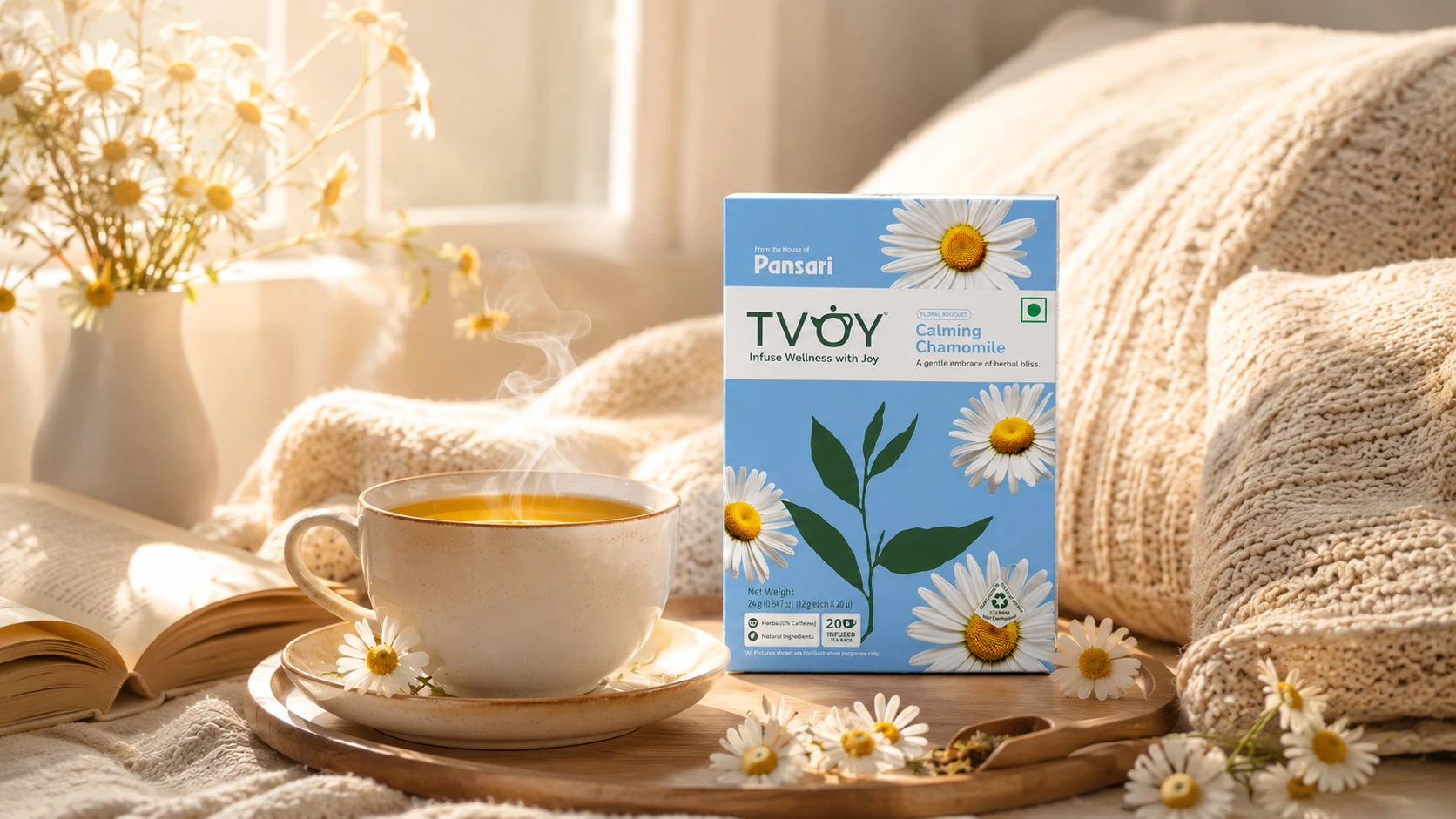
Most people underestimate how much brewing technique affects the final result. The difference between a flat, flavorless cup and a rich, aromatic, therapeutically potent infusion often comes down entirely to how the tea is prepared.
Complete Brewing Parameters Table
| Parameter | Optimal Recommendation |
|---|---|
| Water Temperature | 200–212°F (93–100°C) — just off the boil |
| Steeping Time | 5–10 minutes |
| Water Volume | 8 oz (240 ml) per tea bag |
| Tea Bags Per Cup | 1 standard; 2 for therapeutic strength |
| Cover Mug While Steeping? | Yes — always |
| Water Type | Filtered water preferred |
| Squeeze the Bag? | Yes — gently squeeze before removing |
| Best Sweetener | Raw honey (add after slight cooling) |
| Flavor Additions | Lemon, cinnamon, ginger, lavender, fresh mint |
| Dairy or Plant Milk? | Oat milk or almond milk work well |
Step-by-Step Brewing Guide
Step 1 — Start With Fresh, Filtered Water
Water quality directly impacts flavor. Filtered water free of heavy chlorination produces a cleaner, more nuanced chamomile infusion. Bring it to a full boil or near-boil — 200 to 212°F (93 to 100°C).
Step 2 — Warm Your Mug First
Pour a small amount of hot water into your mug, swirl it around for 10 seconds, then pour it out. This pre-warming step keeps your tea hot longer and produces a more consistent steep.
Step 3 — Place One or Two Tea Bags in Your Mug
One bag produces a gentle, delicate cup. Two bags produce a richer, stronger, more potent brew — particularly useful when drinking chamomile specifically for sleep support or digestive relief.
Step 4 — Pour Hot Water Immediately Over the Bag
Do not let hot water sit and cool before pouring. Immediate contact with water at or near boiling temperature is essential for proper extraction of both flavor compounds and bioactive phytochemicals. Water below 185°F will under-extract the beneficial compounds.
Step 5 — Cover the Mug — This Step Is Critical
Place a small plate, saucer, or lid directly on top of your mug. This is the single most commonly skipped step, and it matters enormously. Covering the mug traps the volatile aromatic oils that would otherwise escape with rising steam — oils that carry both chamomile’s distinctive apple-honey fragrance and a meaningful portion of its therapeutic activity.
Step 6 — Steep for 5 to 10 Minutes
- 5 minutes: Light, delicate, mildly floral — ideal for casual enjoyment
- 7 minutes: Balanced, moderately flavorful — the everyday sweet spot
- 10 minutes: Full-bodied, richer, slightly more bitter — maximum therapeutic extraction
Do not steep much longer than 10 minutes. Extended steeping primarily increases bitterness without proportionally increasing beneficial compound concentration.
Step 7 — Squeeze and Remove the Bag
Gently press the tea bag against the side of your mug with a spoon before removing it. This final squeeze extracts the most concentrated portion of the infusion that remains trapped in the bag material.
Step 8 — Add Sweetener at the Right Temperature
If using raw honey, wait until your tea cools slightly below 140°F before adding it. Adding honey to boiling liquid destroys its beneficial enzymes and alters its flavor. Stir gently until dissolved.
Step 9 — Sip Slowly and Intentionally
For relaxation and sleep support in particular, the act of slowly, mindfully sipping chamomile tea in a quiet environment contributes measurably to its calming effect. Research on behavioral relaxation confirms that ritualistic, intentional tea consumption amplifies physiological stress-reduction responses.
Hot vs. Iced Chamomile Tea
| Feature | Hot Chamomile Tea | Iced Chamomile Tea |
|---|---|---|
| Best Season | Fall, winter, year-round | Spring, summer, year-round |
| Best For | Sleep, relaxation, sore throat, stress | Hydration, refreshment, daytime use |
| Bioavailability | Slightly higher (hot extraction is more efficient) | Comparable when steeped hot first |
| Flavor Profile | Warm, honey-apple, full, aromatic | Lighter, more delicate, refreshing |
| Best Additions | Raw honey, lemon, cinnamon, ginger | Fresh mint, cucumber, honey, lemon slices |
| Steeping Method | Standard hot brew | Double-strength hot steep, pour over ice |
Perfect Iced Chamomile Tea Recipe
- Steep 2 chamomile tea bags in 8 oz of boiling water for 8 minutes, covered
- Remove bags, squeezing gently
- Stir in 1–2 teaspoons raw honey while tea is still warm
- Fill a tall glass completely with ice
- Pour hot chamomile concentrate directly over ice
- Add a squeeze of fresh lemon and 2–3 fresh mint leaves
- Stir and serve immediately
The result is a refreshing, lightly floral, naturally sweet iced herbal tea with zero caffeine and zero added sugar (if using honey modestly) — one of the most underrated warm-weather beverages available.
Chamomile Tea Bags vs. Loose Leaf Chamomile
| Factor | Chamomile Tea Bags | Loose Leaf Chamomile |
|---|---|---|
| Convenience | ⭐⭐⭐⭐⭐ Excellent | ⭐⭐⭐ Moderate |
| Flavor Complexity | ⭐⭐⭐–⭐⭐⭐⭐ Good to Very Good | ⭐⭐⭐⭐⭐ Superior |
| Phytochemical Density | ⭐⭐⭐–⭐⭐⭐⭐ Varies by quality | ⭐⭐⭐⭐⭐ Superior |
| Cost Per Cup | Moderate–High | Lower at scale |
| Dose Control | Limited (fixed per bag) | Full control |
| Equipment Needed | None (just hot water) | Infuser, strainer, or teapot |
| Packaging Waste | Bags, tags, wrappers | Minimal |
| Freshness Retention | Good in sealed individual wrappers | Variable |
| Best For | Beginners, convenience, travel | Enthusiasts, maximum flavor/potency |
Expert verdict: High-quality loose leaf chamomile — particularly whole flower heads from a premium supplier — generally delivers superior flavor complexity and phytochemical density compared to standard tea bags, because the intact flower structure preserves volatile oils until brewing.
However, premium organic chamomile tea bags in pyramid sachet format — which allow whole or large-cut flowers room to expand and circulate in hot water — close this gap significantly. For everyday convenience without meaningful compromise in quality, well-chosen organic chamomile tea bags are an outstanding option for most people.
Best Time to Drink Chamomile Tea /
| Time of Day | Suitability | Primary Benefit |
|---|---|---|
| Morning (with breakfast) | Excellent | Calm, focused start to the day; caffeine-free morning ritual; digestive support |
| Mid-Morning (10–11 AM) | Excellent | Stress management; gentle focus without caffeine jitteriness |
| After Lunch (1–2 PM) | Excellent | Digestive support; post-meal bloating relief |
| Afternoon (3–4 PM) | Excellent | Afternoon energy crash alternative; anxiety management |
| Evening (6–8 PM) | Excellent | Wind-down from day; stress relief; pre-bed preparation |
| Before Bed (30–45 min before sleep) | Optimal for sleep | Maximum sleep-supporting benefit from apigenin binding |
Can you drink chamomile tea in the morning?
Absolutely yes. Despite chamomile’s widely known reputation as a bedtime tea, the gentle calming effect of one standard cup does not produce meaningful daytime drowsiness in the vast majority of people. Its action is better described as anxiety-reducing and focus-supporting rather than sleep-inducing at regular doses. It is a genuinely excellent morning beverage for those who want to start their day calm, centered, and caffeine-free.
Safety, Side Effects, and Drug Interactions
How Much Chamomile Tea Is Safe to Drink Daily?
For most healthy adults, one to four cups of chamomile tea per day is the broadly accepted safe and effective range. Most studies demonstrating therapeutic benefits used two to three cups daily or equivalent standardized extract doses. There is no established universal upper safety limit for chamomile tea specifically, but consuming more than five to six cups daily is generally unnecessary and may increase the likelihood of minor adverse effects without proportionate additional benefit.
Side Effects of Chamomile Tea
Chamomile tea is exceptionally well-tolerated by the vast majority of people. Documented side effects are uncommon and typically associated with very high consumption levels or individual sensitivities:
Allergic reactions: This is the most clinically significant risk. Chamomile is a member of the Asteraceae/Compositae plant family — the same family that includes ragweed, daisies, marigolds, and chrysanthemums. Individuals allergic to any of these plants have a meaningfully elevated risk of cross-reactive allergic response to chamomile. Symptoms can range from mild (skin itching, watery eyes, mild hives) to severe (anaphylaxis in rare cases).
Drowsiness: At higher doses or in sensitive individuals, chamomile’s sedative properties can cause noticeable drowsiness during daytime hours. This is generally not an issue at one to two cup amounts.
Nausea or upset stomach: Rare. Most commonly associated with very concentrated infusions steeped for excessively long periods, or with drinking chamomile on a completely empty stomach.
Contact dermatitis: More common with topical application than with oral consumption. Individuals with sensitive skin should patch-test chamomile-infused products before widespread use.
Anaphylaxis: Extremely rare but documented in medical case reports. Individuals with severe composite plant allergies — particularly severe ragweed allergy — should begin with a very small amount and monitor carefully, or consult an allergist before regular use.
Drug Interactions — Important Information
Chamomile contains pharmacologically active compounds that can interact with certain prescription medications:
| Medication Category | Interaction Risk | Mechanism |
|---|---|---|
| Warfarin / Blood thinners | High — consult doctor | Chamomile contains natural coumarins with anticoagulant activity; may potentiate bleeding risk |
| Benzodiazepines / Sedatives | Moderate — use caution | Additive CNS depressant effects with chamomile’s sedative properties |
| Cyclosporine (immunosuppressant) | Moderate — monitor | Case reports of altered drug metabolism |
| Tamoxifen (hormone therapy) | Low–Moderate — discuss with oncologist | In vitro research suggests possible estrogenic activity from apigenin |
| NSAIDs / Aspirin | Low–Moderate | Chamomile’s mild anti-platelet activity may have additive effect |
| Diabetes medications | Low — monitor | Chamomile may lower blood glucose; combined effects could cause hypoglycemia |
Who Should Use Caution or Avoid Chamomile Tea?
- People with confirmed ragweed, chrysanthemum, marigold, or daisy allergies
- Individuals taking anticoagulant medications (warfarin, heparin, apixaban, rivaroxaban)
- People scheduled for surgery within two weeks (due to potential anti-platelet effects)
- Those taking multiple sedative medications simultaneously
- Individuals on cyclosporine or other narrow therapeutic index drugs
Chamomile Tea During Pregnancy and Breastfeeding
This is among the most searched and most important safety questions about chamomile tea — and it deserves a nuanced, honest answer.
During Pregnancy
Current guidance from mainstream medical organizations: Chamomile tea should be consumed only in moderation during pregnancy — or avoided entirely during the first trimester — and always after consulting an obstetrician or midwife.
The specific concerns are:
Uterotonic effects: At high doses, chamomile compounds may stimulate uterine contractions. While this effect is well-established in the traditional herbal medicine literature and supported by some laboratory research, the clinical threshold dose in humans is not precisely defined. The concern is greatest in the first trimester when miscarriage risk is highest.
Coumarin content: Chamomile’s natural coumarins have mild anticoagulant activity. During pregnancy — particularly in the third trimester — anticoagulant effects could theoretically affect placental blood flow or increase bleeding risk during delivery.
Limited human safety data: The most honest thing to say is that large-scale controlled clinical trials on chamomile tea safety during pregnancy simply do not exist. Much of the guidance is based on the precautionary principle combined with animal research and theoretical mechanisms.
Practical guidance for pregnant women: An occasional cup of chamomile tea — perhaps once or twice per week — is considered low risk by most integrative medicine practitioners. Daily consumption of strong chamomile infusions during pregnancy, particularly in the first trimester, is not recommended without specific medical supervision.
During Breastfeeding
Research on chamomile safety during breastfeeding is similarly limited. Chamomile’s active compounds may transfer into breast milk in small amounts. Some lactation consultants and integrative health practitioners permit moderate occasional chamomile tea use during breastfeeding; others recommend erring on the side of caution until better data is available. Always discuss herbal tea consumption with your OB-GYN, midwife, or lactation consultant during both pregnancy and the breastfeeding period.
Myths vs. Facts About Chamomile Tea
| Common Myth | Evidence-Based Fact |
|---|---|
| “Chamomile tea will make you fall asleep instantly.” | It gently promotes relaxation and gradually reduces sleep latency. It is not a sedative drug. Effects develop over 20–40 minutes and are cumulative with regular use. |
| “All chamomile tea bags are basically the same.” | Quality differences are dramatic. Species, growing region, harvesting timing, drying method, processing, particle size, and storage all profoundly affect potency and flavor. |
| “Chamomile tea contains caffeine.” | Completely false. Chamomile contains zero caffeine and requires no decaffeination processing. |
| “Chamomile tea is safe for absolutely everyone.” | While very broadly safe, chamomile poses real, documented risks for those with ragweed allergies, those on anticoagulant medications, and pregnant women consuming large amounts. |
| “Drinking more cups means more benefits.” | Diminishing returns apply. One to four cups per day captures the documented therapeutic range. Drinking eight cups daily adds risk without meaningful additional benefit. |
| “Chamomile tea can cure insomnia.” | Chamomile supports better sleep as a complementary measure. It is not a cure for clinical insomnia disorder, which requires cognitive behavioral therapy and potentially medical management. |
| “The calming effect of chamomile is just placebo.” | Apigenin’s binding affinity for GABA-A benzodiazepine receptor sites is measurable, reproducible, and pharmacologically validated in both in vitro and in vivo research. This is documented neuropharmacology, not placebo. |
| “Chamomile tea expires and becomes unsafe.” | Old chamomile tea does not become unsafe. It simply becomes flavorless as volatile oils degrade. Drinking it is harmless — just unrewarding. |
| “Pyramid sachet bags are always better than flat bags.” | Only if the sachet material is non-plastic (PLA, cotton, paper). Nylon pyramid sachets may release microplastics into hot water — making high-quality unbleached flat paper bags a safer choice than low-grade plastic pyramids. |
Complete Buying Guide — How to Choose the Best Chamomile Tea Bags
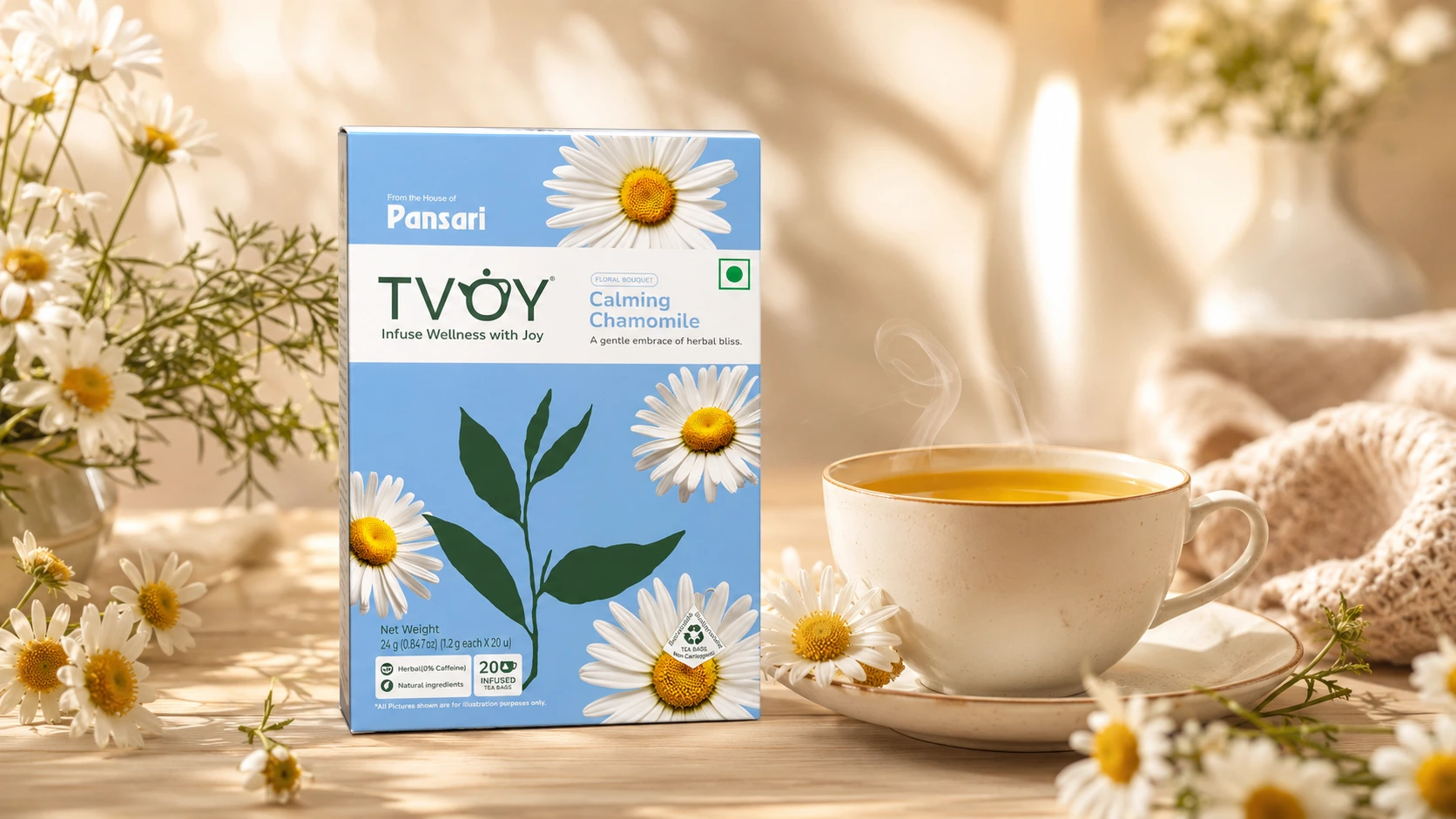
With dozens of brands and hundreds of products available, choosing the best chamomile tea bags requires knowing which factors actually matter and which are marketing noise.
Factor 1 — Organic Certification
This is the single most important purchasing criterion for chamomile tea bags. Chamomile flowers are botanically delicate and readily absorb pesticides from soil and spray applications. When you steep a non-organic chamomile tea bag in boiling water, any pesticide residues present on the flower material are efficiently extracted directly into your cup.
Look for the USDA Certified Organic seal as a baseline requirement. In the UK, look for the Soil Association organic certification. In Australia, look for Australian Certified Organic (ACO).
Factor 2 — Ingredient Transparency
The label should clearly state “chamomile flowers” or “Matricaria chamomilla flowers” as the first and ideally only ingredient in a pure chamomile product. Avoid products that list vague terms like “chamomile blend,” “natural chamomile flavor,” or “chamomile essence” without specifying the actual plant material used.
If buying a blend, each ingredient should be individually identified with its percentage or order by weight.
Factor 3 — Whole Flower vs. Fannings/Dust
This is the factor that most dramatically affects both flavor and therapeutic potency. Premium products use whole chamomile flower heads or large-cut flower material. Budget products use finely milled chamomile dust or fannings — the leftover byproduct of chamomile processing that has significantly lower essential oil content, reduced surface area for volatile compound preservation, and inferior flavor.
How to check without opening: If the product uses transparent pyramid sachets, you can visually inspect the flower material. With opaque paper bags, look for descriptions like “whole flower,” “full blossom,” or “premium cut” on the packaging.
Factor 4 — Bag and Sachet Material
| Bag Material | Assessment |
|---|---|
| Unbleached paper | Best — most eco-friendly, no chemical treatment, compostable |
| Bleached paper | Acceptable — trace chlorine bleaching; choose unbleached when available |
| Cotton muslin | Excellent — natural, reusable, no chemical concerns |
| Corn-based PLA pyramid | Good — compostable, no microplastic concern |
| Nylon/polypropylene pyramid | Avoid — documented microplastic release in boiling water |
| Hemp fiber | Excellent — strong, natural, sustainable |
Factor 5 — Third-Party Lab Testing
The best brands publish or make available on request a Certificate of Analysis (CoA) from an independent accredited laboratory confirming:
- No detectable pesticide residues
- Heavy metals below safety thresholds (lead, arsenic, cadmium, mercury)
- No microbial contamination (E. coli, Salmonella, mold)
- Essential oil concentration meeting specified standards
Brands that proactively provide this information — Tvoy , Traditional Medicinals, Pukka Herbs, Harney and Sons, and others — demonstrate a level of quality commitment that sets them apart.
Factor 6 — Packaging and Freshness Preservation
Individually foil-wrapped tea bags in an outer sealed box provide the best freshness preservation — keeping moisture, light, oxygen, and ambient odors from degrading the volatile oils that define chamomile’s aroma and effectiveness.
Loose bags stacked in an open-top cardboard box — even of the same chamomile — will be measurably less fresh and less potent than the same product in individual sealed wrappers.
Factor 7 — Country of Origin and Sourcing Transparency
The best chamomile comes from Egypt, Germany, Hungary, Czech Republic, and Morocco — regions with established quality standards, ideal growing conditions, and generational expertise in chamomile cultivation. Brands that openly disclose their sourcing origin demonstrate supply chain transparency that should inspire purchasing confidence.
Factor 8 — Additional Certifications Worth Seeking
Beyond USDA Organic:
- Non-GMO Project Verified — confirms no genetically modified ingredients
- Fair Trade Certified — ensures ethical labor practices and fair wages for farm workers
- Rainforest Alliance Certified — environmental sustainability focus
- B Corp Certified — highest standard of verified social and environmental performance
- Kosher or Halal Certified — if relevant to dietary requirements
Chamomile Tea Bag Type Comparison
| Product Type | Best For | Quality Level | Price Range |
|---|---|---|---|
| Conventional paper bag | Occasional use, budget | Basic | $ |
| Organic unbleached paper bag | Daily health-conscious use | Good | $$ |
| Organic cotton/PLA pyramid (whole flower) | Flavor and potency priority | Excellent | $$$ |
| Single-origin whole flower muslin | Maximum quality, enthusiast level | Superior | $$$$ |
| Organic chamomile-herb blend | Targeted sleep or relaxation support | Varies | $$–$$$ |
Storage Tips and Shelf Life
Chamomile tea bags represent a real investment — storing them correctly protects both your purchase and the quality of every cup you brew.
Storage rules:
- Keep in an airtight container — a dedicated tea caddy, sealed tin, or resealable glass jar
- Store away from direct light — UV exposure degrades both flavor and bioactive compounds
- Avoid heat sources — keep away from the stove, oven, dishwasher, or any warm appliance
- Keep away from moisture — humidity is the fastest route to mold and flavor degradation
- Store away from strong odors — chamomile readily absorbs ambient smells, including spices, coffee, and cleaning products
- Do not refrigerate unless you live in an extremely high-humidity environment — condensation on packaging damages tea faster than ambient room temperature
Shelf life:
- Properly stored chamomile tea bags retain peak flavor and full bioactive potency for 12 to 24 months from production date
- After this period, chamomile does not become unsafe to consume — it simply loses its vibrant flavor and aromatic essential oil content, producing a flat, underwhelming cup
- Always purchase from retailers with high product turnover for maximum freshness
- Look for a “Best By” or “Best Before” date on packaging and factor this into purchasing decisions
Sustainability and Environmental Impact
Chamomile is broadly considered an environmentally favorable crop relative to many agricultural commodities:
- It grows rapidly, typically producing a harvestable crop within 6–8 weeks of planting
- It requires relatively low water inputs compared to many fruit crops
- Its flowers actively attract and support pollinator populations — bees, butterflies, and beneficial insects
- Chamomile’s essential oils have natural pest-deterrent properties, reducing pesticide requirements even in conventional growing
However, sustainability varies significantly by producer and supply chain:
Organic farming practices eliminate synthetic pesticide and fertilizer runoff — critical for protecting local waterways, soil ecosystems, and the pollinators that chamomile fields naturally attract.
Fair Trade certification addresses the human sustainability dimension — ensuring that farm workers in developing-country chamomile growing regions (Egypt, Morocco) receive fair wages, safe working conditions, and equitable treatment.
Packaging sustainability is a growing and legitimate concern in the tea industry. Key considerations:
- Paper and cotton bags are compostable and biodegradable
- Plastic nylon pyramid sachets are not biodegradable and fragment into microplastics
- Individual foil wrappers create more packaging waste than unwrapped bags in sealed boxes
- Some leading brands — Traditional Medicinals, Pukka Herbs, Clipper Teas — have committed to 100% plastic-free, compostable packaging
When your purchasing choices align environmental values with health values, organic chamomile tea bags in plastic-free packaging from Fair Trade certified suppliers represent the strongest available option across all dimensions.
Expert Recommendations
Integrative medicine perspective: Chamomile tea is one of the most evidence-supported and consistently safe herbal teas available for clinical recommendation. For sleep applications, it is most effective as part of a comprehensive sleep hygiene protocol — consistent sleep schedule, dark and cool sleeping environment, limited blue light exposure before bed — rather than as a standalone intervention. For anxiety, daily consumption paired with mindfulness or breathing practice produces synergistic results.
Registered dietitian perspective: Chamomile tea makes an outstanding contribution to daily hydration goals with zero caloric cost. Positioning it as a deliberate replacement for one or two daily caffeinated or sugary beverages creates immediate physiological benefit. For digestive applications, timing matters — drink 20–30 minutes after meals for optimal smooth muscle relaxation during active digestion.
Herbalist perspective: The single most common mistake consumers make with chamomile tea is purchasing low-quality, old, or improperly stored product and drawing incorrect conclusions about chamomile’s effects. A high-quality organic chamomile tea bag should smell powerfully of fresh apple and honey the moment you open the package. If it smells faint, grassy, or like nothing at all — it will taste the same way and deliver diminished therapeutic benefit.
Sleep medicine perspective: While chamomile tea is not a replacement for CBT-I (Cognitive Behavioral Therapy for Insomnia) — the gold standard treatment for clinical insomnia — it is a valuable, evidence-supported complementary practice for most sleep hygiene programs. Its complete absence of dependency risk, tolerance development, and morning grogginess makes it uniquely suited for long-term nightly use.
Frequently Asked Questions
What are the benefits of chamomile tea bags?
Chamomile tea bags offer a wide range of science-backed health benefits. The most thoroughly documented include promoting better sleep by reducing time to fall asleep and improving sleep quality, reducing symptoms of anxiety and stress, relieving digestive discomfort including bloating, cramping, and indigestion, providing meaningful antioxidant protection through flavonoids like apigenin and luteolin, supporting immune health, soothing sore throats and cold symptoms, and contributing to anti-inflammatory activity through chamazulene and bisabolol. Emerging research also points to benefits for blood sugar management and cardiovascular health. All of these benefits come at zero calories and zero caffeine — making chamomile tea bags among the most health-positive beverages a person can add to their daily routine.
Which chamomile tea is best?
The best chamomile tea bags share several key characteristics: they are made from certified organic German chamomile (Matricaria chamomilla) flowers — ideally whole or large-cut flowers rather than dust or fannings — packaged in unbleached paper or plastic-free pyramid sachets, individually sealed for freshness, and sourced from reputable growing regions such as Egypt, Germany, or Hungary. From a brand perspective, Traditional Medicinals, Tvoy , Pukka Herbs, Harney and Sons, Republic of Tea, and Celestial Seasonings Sleepytime (which contains chamomile as the primary ingredient) consistently receive strong marks for quality, sourcing transparency, and third-party testing. The best chamomile tea for you personally also depends on your purpose: single-ingredient organic chamomile for purity, or a chamomile-lavender or chamomile-valerian blend for enhanced sleep support.
Is it okay to drink chamomile tea daily?
Yes, drinking chamomile tea daily is considered safe and potentially beneficial for most healthy adults. The broadly accepted range is one to four cups per day. Multiple long-term studies have not identified harm from regular daily chamomile consumption at these levels, and several studies specifically show cumulative therapeutic benefits — particularly for sleep, anxiety, and digestive health — that develop and strengthen with consistent daily use. The key exceptions are people with ragweed or composite plant allergies, those on anticoagulant medications like warfarin, and pregnant women who should limit frequency and consult their healthcare provider.
What to avoid when drinking chamomile tea?
Several things can undermine the quality and safety of your chamomile tea experience. Avoid drinking very concentrated chamomile tea (many bags for an extended steep) if you are on blood-thinning medications. Avoid adding excessive sugar or artificial sweeteners that negate chamomile’s health contributions. Do not drink chamomile tea if you have an established ragweed allergy without medical guidance. Avoid purchasing low-quality, old, or non-organic chamomile that may contain pesticide residues or have degraded phytochemical content. Do not steep in water that is too cool — below 185°F under-extracts the beneficial compounds. Avoid using plastic nylon pyramid sachets in boiling water due to microplastic release concerns. And avoid assuming chamomile alone will resolve clinical insomnia or serious medical conditions without appropriate professional care.
How many chamomile tea bags can you drink a day?
For most healthy adults, one to four chamomile tea bags per day is the safe and therapeutically effective range. Studies demonstrating the most significant health benefits — particularly for sleep and anxiety — typically used two to three cups daily as their study protocol. Drinking one cup before bed is the minimum for sleep support; two to three cups spread throughout the day provides comprehensive digestive, anti-inflammatory, and anxiolytic benefits. Consuming more than five to six cups per day is generally unnecessary, provides diminishing returns, and modestly increases the likelihood of side effects such as mild nausea or excessive daytime drowsiness in sensitive individuals.
What is the best time to drink chamomile tea?
The best time to drink chamomile tea depends on your primary goal. For sleep support, drink one to two cups 30 to 45 minutes before your intended bedtime — this allows apigenin’s GABA-A receptor binding to take effect during the natural sleep initiation window. For digestive support, drink a cup 20 to 30 minutes after meals when chamomile’s smooth muscle relaxing effects can actively support the digestive process. For anxiety and stress management, drink whenever stress is elevated — mid-morning and mid-afternoon are common high-stress windows for many people. Chamomile tea can be consumed any time of day without meaningful concerns about disrupting alertness at standard one-cup amounts.
What is the healthiest brand of chamomile tea?
From a health perspective, the healthiest chamomile tea brands are those that: use certified organic whole German chamomile flowers, provide transparent third-party testing for pesticides and heavy metals, use plastic-free packaging materials, and source ethically from established growing regions. Traditional Medicinals consistently ranks among the most health-focused chamomile tea brands — they are certified organic, use European chamomile meeting pharmacopoeial standards, and test every batch extensively. Pukka Herbs offers certified organic chamomile with strong ethical sourcing and sustainable packaging. Tvoy , Harney and Sons and Republic of Tea offer premium chamomile options with strong quality standards. The healthiest choice is ultimately one that is certified organic, whole-flower, clearly sourced, and properly stored.
What are the side effects of chamomile tea?
Chamomile tea is very well tolerated by most people. The most significant potential side effects are: allergic reactions in individuals with ragweed or composite plant allergies — ranging from mild itching and watery eyes to rare anaphylaxis in severe cases; drowsiness at high doses that can occasionally affect daytime alertness; mild nausea with very concentrated infusions on an empty stomach; and potential drug interactions with anticoagulants, sedatives, and certain other prescription medications. Pregnant women face specific concerns related to chamomile’s potential uterotonic effects at high doses. For the vast majority of healthy adults drinking one to four cups per day of properly brewed chamomile tea, side effects are uncommon and mild. If you experience itching, hives, difficulty breathing, or significant drowsiness after drinking chamomile tea, discontinue use and consult a healthcare provider.
How best to drink chamomile tea?
The best way to drink chamomile tea involves several key practices. Always use water heated to 200 to 212°F — near or at a full boil. Cover your mug while steeping to trap the volatile therapeutic oils that would otherwise escape with steam. Steep for a full five to ten minutes depending on your desired strength. Gently squeeze the bag before removing it to capture the most concentrated extract. Add raw honey after the tea cools slightly below 140°F to preserve honey’s beneficial enzymes. Drink slowly and mindfully — particularly for relaxation or sleep purposes — in a calm environment. For sleep, drink 30 to 45 minutes before bed. For digestion, drink after meals. Pair your daily chamomile tea habit with good sleep hygiene, a balanced diet, and adequate physical activity for maximum benefit.
How long does chamomile tea take to kick in?
Most people begin to notice chamomile tea’s calming and relaxing effects within 20 to 40 minutes of consumption. This timing reflects the gastrointestinal absorption rate of apigenin and other active compounds into the bloodstream, followed by their transport across the blood-brain barrier and binding to GABA-A receptor sites. For sleep support, the optimal strategy is to drink one to two cups approximately 30 to 45 minutes before your intended sleep time — so that the compound’s peak effect aligns with your bedtime. Digestive effects — including reduced bloating and cramping — are often felt within 15 to 30 minutes of consumption as chamomile’s anti-spasmodic compounds act directly on the GI smooth muscle. It is worth noting that chamomile’s full therapeutic effects on anxiety and sleep quality are cumulative — meaning regular daily drinkers over one to two weeks typically report more pronounced and consistent results than those drinking it only occasionally.
Final Verdict — Why Chamomile Tea Bags Deserve a Place in Your Daily Routine
Few beverages earn a legitimate place in both 5,000-year-old healing traditions and the pages of peer-reviewed clinical journals simultaneously. Chamomile tea bags do exactly that.
From ancient Egyptian temples to randomized double-blind clinical trials published in leading pharmacology journals, the message is remarkably consistent: chamomile works. Its active compounds — particularly apigenin — produce measurable, mechanistically understood effects on sleep quality, anxiety levels, gastrointestinal comfort, inflammation, and oxidative stress. These are not marketing claims. They are documented pharmacological realities.
What makes chamomile tea bags particularly special in the modern wellness landscape is their extraordinary combination of attributes that is nearly impossible to find elsewhere: zero caffeine, near-zero calories, well-documented therapeutic benefits across multiple body systems, an excellent safety profile for most adults, universal availability, genuine affordability, and a flavor profile that makes healthy drinking genuinely enjoyable.
Choosing organic chamomile tea bags from a transparent, third-party-tested brand in plastic-free packaging ensures you capture maximum phytochemical potency without pesticide exposure and with minimal environmental impact. Brewing correctly — covered, at the right temperature, for the right time — transforms a good product into a genuinely therapeutic cup.
Whether you reach for chamomile tea to ease your way into restful sleep, manage the anxiety of a demanding day, soothe a digestive system that needs calming, support your immune system through cold season, or simply create a moment of warmth and comfort in a busy life — this small, golden-centered flower delivers with remarkable consistency.
The science supports it. History endorses it. Your body will thank you for it.
Medical Disclaimer: This article is for informational and educational purposes only. It does not constitute medical advice, diagnosis, or treatment. Always consult a qualified healthcare professional before using herbal products therapeutically, particularly if you are pregnant, breastfeeding, on prescription medications, or managing an existing health condition. Individual results from consuming chamomile tea may vary.