
Drinking Rose Tea: Benefits, How to Make It, Taste, Caffeine & Safety
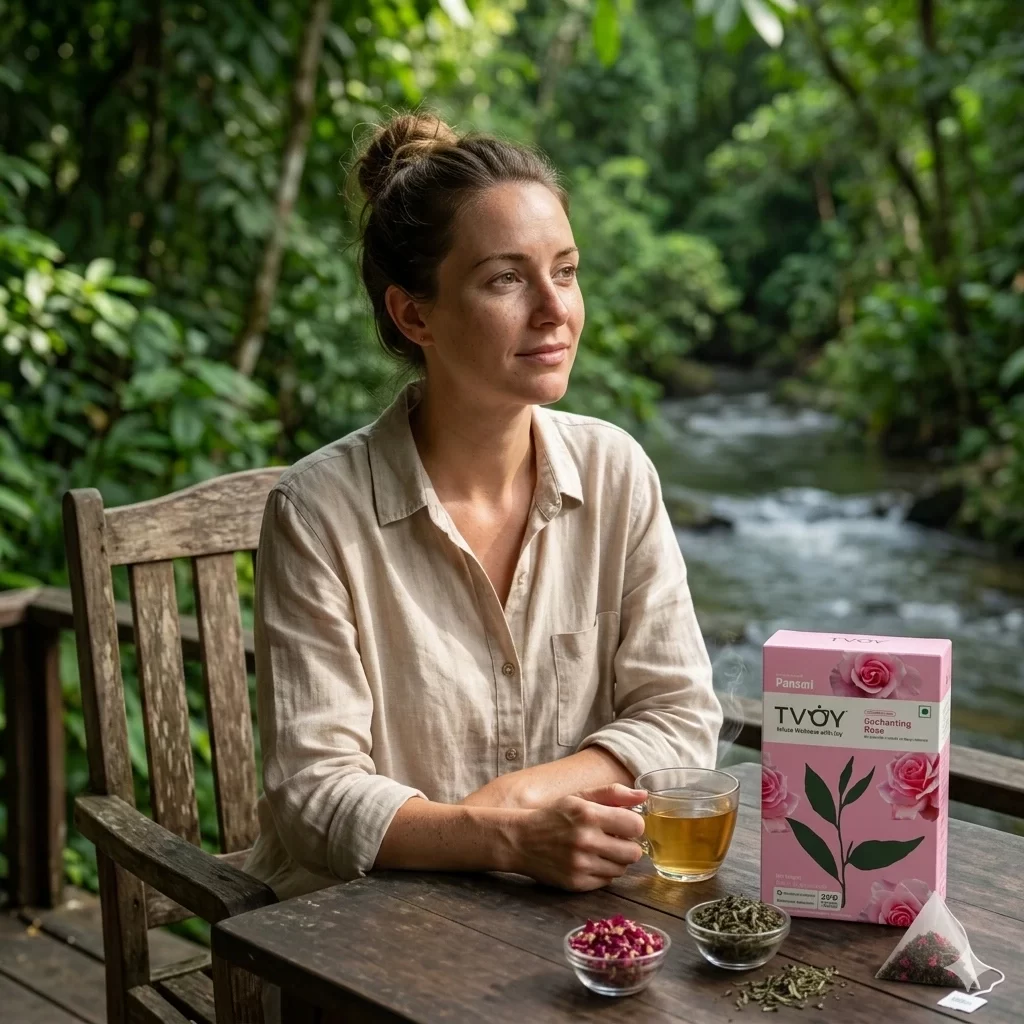
Drinking rose tea means steeping parts of the rose plant — most commonly dried petals, buds, or rosehips — in hot water to make a fragrant herbal infusion. It’s not made from the tea plant (Camellia sinensis) unless it’s specifically blended with black, green, or oolong tea leaves, which means pure rose tea is naturally caffeine-free.
Rose petals, rose buds, and rosehips are three different parts of the rose plant, and each produces a slightly different beverage. Petals and buds come from the flower and taste floral and mild, while rosehips are the fruit left behind after the flower fades, giving a tangier, more fruit-forward cup. This article covers what rose tea is made from, its realistic potential benefits, caffeine content, flavor, step-by-step preparation methods, how it compares to rosehip tea and rose water, safety considerations, and the most common questions people ask before drinking rose tea.
What Is Rose Tea?
Rose tea is a floral herbal infusion made by steeping dried or fresh rose petals or rose buds in hot water. It belongs to the broader category of herbal teas, or tisanes, which are technically not “true tea” because they don’t contain leaves from the Camellia sinensis plant.
The rose genus (Rosa) includes many species, but not all roses are suitable for tea. Edible, food-grade varieties — such as certain damask roses (Rosa damascena) and Rosa rugosa — are the types typically used for culinary and tea purposes. Ornamental or florist roses are often treated with pesticides and other chemicals not approved for human consumption, so they should not be used to make tea.
What Is Rose Petal Tea?
Rose petal tea is made from the individual petals of the rose flower, usually dried before steeping. Petals produce a light, delicate, floral cup with a soft aroma. They’re the most common form of rose tea sold as loose-leaf herbal tea or in tea bags.
What Is Rose Bud Tea?
Rose bud tea uses the whole, unopened flower bud rather than loose petals. Because the bud includes more plant material, the flavor is often slightly stronger and more concentrated than petal-only tea, with a similar floral character. Rose buds are also visually appealing when steeped in glass teapots, as they slowly unfurl in hot water.
What Is Rosehip Tea?
Rosehip tea is different from rose petal or rose bud tea because it’s made from rosehips — the round, red-orange fruit that forms on the rose bush after the flower has bloomed and dropped its petals. Rosehips have a tart, fruity flavor closer to hibiscus or cranberry than to a floral petal tea, and they contain vitamin C along with other plant compounds. Rosehip tea and rose petal tea are often confused, but they come from different parts of the plant and taste noticeably different.
What Are the Potential Benefits of Drinking Rose Tea?
Drinking rose tea may offer a few practical, evidence-aware benefits, primarily tied to hydration, plant compound intake, and its role as a caffeine-free beverage option — though it should not be viewed as a treatment for any medical condition. Research specifically on brewed rose tea in humans is limited, so much of what follows reflects a combination of traditional use and findings from laboratory or preliminary studies on rose-derived compounds.
Antioxidant Compounds
Rose petals and rosehips contain polyphenols and other plant compounds that have demonstrated antioxidant activity in laboratory research. Antioxidants help neutralize unstable molecules called free radicals in the body. However, having antioxidant compounds in a plant doesn’t automatically translate into a guaranteed health outcome from drinking tea made from it — the amount extracted during steeping, individual absorption, and overall diet all play a role.
Hydration
Unsweetened rose tea is mostly water, so it can contribute to daily fluid intake in the same way other herbal teas do. For people looking to reduce caffeine or sugary drink consumption, swapping in a caffeine-free floral tea is a simple, practical way to stay hydrated.
Relaxation and a Caffeine-Free Tea Ritual
Many people drink rose tea as part of a calming routine — a warm beverage without caffeine can be a pleasant way to wind down. This is more about the ritual of preparing and drinking a warm, aromatic beverage than a proven pharmacological effect. Rose tea has not been established as a treatment for anxiety.
Digestive Wellness
Rose petals and rosehips have a long history of traditional use for digestive comfort in various herbal traditions. Some small studies have examined rosehip extracts for digestive-related outcomes, but evidence specific to brewed rose tea is limited. If you experience ongoing digestive issues, a cup of tea is not a substitute for medical evaluation.
Rose Tea and Sleep
Rose tea is naturally caffeine-free when made purely from petals or buds, which makes it a reasonable evening beverage choice for people who are sensitive to caffeine or who enjoy a warm drink before bed. That said, there isn’t strong scientific evidence that rose tea directly improves sleep quality or treats insomnia. The benefit here is largely about choosing a caffeine-free option rather than a direct sleep-inducing effect.
Rose Petals and Overall Wellness
Within a varied diet, rose petals and rosehips can be a flavorful, low-calorie addition. They shouldn’t be viewed as a standalone solution for any health goal, but as one of many plant-based foods and beverages that can fit into a balanced lifestyle.
Does Rose Tea Have Caffeine?
Pure rose tea made only from rose petals, rose buds, or rosehips does not contain caffeine, because caffeine comes from the tea plant (Camellia sinensis), not from roses. However, many commercial “rose tea” blends combine rose petals with black, green, or oolong tea leaves, and those blends do contain caffeine from the tea leaf component.
| Tea Type | Caffeine Content |
|---|---|
| Pure rose petal tea | Caffeine-free |
| Pure rose bud tea | Caffeine-free |
| Rosehip tea | Caffeine-free |
| Rose + black tea blend | Contains caffeine (from black tea) |
| Rose + green tea blend | Contains caffeine (from green tea) |
| Rose + oolong tea blend | Contains caffeine (from oolong tea) |
If caffeine content matters to you — for example, if you’re avoiding caffeine in the evening or during pregnancy — always check the ingredient label. “Rose tea” alone on packaging doesn’t guarantee it’s caffeine-free if tea leaves are part of the blend. This applies to any commercial rose tea product, so check the specific ingredient list before assuming a product is caffeine-free.
What Does Rose Tea Taste Like?
Rose tea made from petals or buds has a light, floral taste with a delicate sweetness and a fragrant aroma reminiscent of fresh roses, but without being overpowering when brewed correctly. It’s generally mild rather than intensely perfumed, especially when steeped for a shorter time.
Rosehip tea tastes noticeably different — more tart and fruity, with a flavor profile closer to hibiscus, cranberry, or dried apple. Steeping time and water temperature both affect flavor: longer steeping brings out more floral intensity in petal tea and more tartness in rosehip tea. Many people add a slice of lemon, which complements the floral notes, or a small amount of honey to balance any natural tartness, particularly with rosehip tea.
How to Make Rose Tea
How to Make Rose Tea With Dried Rose Petals
- Select food-grade dried rose petals labeled safe for culinary or tea use.
- Heat water until just below boiling (around 195–205°F).
- Add roughly 1–2 teaspoons of dried petals per cup of water to a teapot, infuser, or mug.
- Pour the hot water over the petals.
- Steep for 5–7 minutes, adjusting to taste.
- Strain out the petals and serve plain or with honey or lemon.
How to Make Rose Bud Tea
Rose buds are typically steeped the same way as petals, but because the whole bud holds more plant material, you may want fewer buds per cup — start with 2–3 small dried buds per cup of hot water and steep for 5–7 minutes. Some people enjoy watching the bud slowly open in a clear glass teapot during steeping.
How to Make Rose Tea With Fresh Rose Petals
- Confirm the roses are food-grade and have not been treated with pesticides, fungicides, or other non-food chemicals.
- Rinse the petals gently under cool water to remove dust or insects.
- Remove the white or pale base of each petal, which can taste bitter.
- Add the petals to hot water (not boiling) and steep for 5–10 minutes, since fresh petals often need slightly longer than dried ones.
- Strain and serve.
How to Make Rose Tea With Rose Water
Culinary rose water — distilled specifically for cooking and food use — can be stirred directly into a cup of hot water, or added in small amounts (such as ½ to 1 teaspoon) to black, green, or herbal tea for a rose-flavored drink. It’s important to distinguish culinary rose water from cosmetic or fragrance-grade rose water, which is intended for skin or topical use and is not formulated or regulated for consumption.
Convenient Ready-to-Brew Option
If you prefer the convenience of a ready-to-brew rose tea instead of preparing loose rose petals or buds yourself, TVOY Rose Tea can be considered as a convenient option. As with any packaged tea, check the product’s current ingredient list and follow its specific brewing instructions, since steeping times and recommended amounts can vary by product.
Rose Tea vs Rosehip Tea
| Feature | Rose Tea | Rosehip Tea |
|---|---|---|
| Main ingredient | Rose petals or buds | Rosehips (the fruit) |
| Plant part used | Flower | Fruit left after flowering |
| Flavor | Floral, mild, lightly sweet | Tart, fruity, tangy |
| Caffeine | Naturally caffeine-free (pure form) | Naturally caffeine-free |
| Common use | Floral herbal infusion, relaxation ritual | Fruity herbal infusion, often blended with hibiscus |
Although both come from the rose plant, rose tea and rosehip tea are not interchangeable. They come from different plant parts, have distinct flavor profiles, and may contain somewhat different concentrations of plant compounds. If a recipe or health claim refers to “rosehip tea benefits,” it is specifically referring to the fruit, not the flower petals.
Rose Tea vs Rose Water
Rose tea is a brewed infusion made by steeping rose petals, buds, or rosehips directly in hot water — the plant material stays in contact with the water during steeping and is then strained out. Rose water, by contrast, is typically produced by distilling rose petals with steam, resulting in a concentrated aromatic liquid that captures the rose’s fragrance and flavor in a more potent form.
Culinary rose water is often used as a flavoring ingredient — a few drops or a small splash added to tea, desserts, or beverages — rather than consumed on its own in the same volume as a cup of tea. Rose tea tends to have a lighter, more delicate rose flavor, while rose water delivers a more concentrated floral taste in a small amount. Only rose water specifically labeled for food or culinary use should be consumed; cosmetic rose water is not intended to be ingested.
Different Types of Rose Tea
- Rose petal tea — light and floral, made from dried or fresh petals.
- Rose bud tea — slightly more concentrated flavor from whole dried buds.
- Rosehip tea — tart and fruity, made from the rose’s fruit.
- Rose black tea — rose petals blended with black tea leaves; contains caffeine.
- Rose green tea — rose petals blended with green tea; contains caffeine.
- Rose oolong tea — rose combined with oolong tea leaves; contains caffeine.
- Rose and chamomile tea — two caffeine-free florals blended for a softer, more herbal cup.
- Lemon rose tea — rose tea with added lemon for brightness and a touch of acidity.
- Saffron rose tea — a traditional pairing in some culinary traditions, combining rose’s floral notes with saffron’s earthy aroma.
Each variation changes the flavor and, in the case of tea-leaf blends, the caffeine content — so it’s worth checking the ingredient list rather than assuming all “rose tea” products are the same. Ready-to-brew products such as TVOY Rose Tea fall into one of these categories depending on their specific ingredients, so reviewing the label will tell you exactly what type of rose tea you’re getting.
When Is the Best Time to Drink Rose Tea?
There isn’t one universal “best” time to drink rose tea — it largely depends on personal preference and whether the specific blend contains caffeine.
In the Morning
A caffeine-free rose tea can be a gentle way to start the day for people who want to limit caffeine, while a rose-and-green-tea blend can provide a mild caffeine boost alongside the floral flavor.
After a Meal
Some people enjoy rose tea after eating as a warm, soothing beverage, drawing on its traditional use for digestive comfort, though this is based on tradition rather than strong clinical evidence.
In the Afternoon
A caffeine-free cup can serve as a pleasant afternoon break without the alertness effects of caffeinated beverages.
In the Evening
Because pure rose petal, bud, or rosehip tea is naturally caffeine-free, it’s a reasonable choice for an evening drink for those avoiding caffeine later in the day.
Before Bed
Many people choose rose tea as part of a calming pre-bed routine simply because it’s warm, fragrant, and caffeine-free — not because it has been proven to induce sleep.
Rose Tea Side Effects and Safety
For most healthy adults, rose tea made from food-grade rose petals, buds, or rosehips is generally well tolerated when consumed in normal culinary amounts. Still, a few safety considerations are worth knowing.
- Allergic reactions: People with pollen allergies or sensitivities to plants in the Rosaceae family may experience allergic symptoms, such as itching or mild digestive upset, after consuming rose products.
- Digestive discomfort: Drinking large quantities of any herbal tea, including rose tea, may cause mild stomach upset in sensitive individuals.
- Ingredient quality: Low-quality or improperly sourced rose products may contain contaminants, pesticide residue, or non-food-grade additives.
- Interactions: If you take prescription medications or have an existing health condition, it’s reasonable to mention herbal tea consumption to your healthcare provider, since herbal compounds can occasionally interact with certain medications.
Rose Tea During Pregnancy
Evidence specific to rose tea and pregnancy is limited. Because pure rose petal, bud, or rosehip tea is caffeine-free, it is often considered a lower-caffeine alternative to black or green tea. However, pregnant individuals should talk to their doctor or midwife before adding any new herbal tea to their routine, since herbal products are not uniformly regulated for safety during pregnancy and individual circumstances vary.
Use Food-Grade Roses Only
This is one of the most important safety points for anyone making rose tea at home. Roses sold by florists are grown for appearance, not consumption, and are frequently treated with pesticides, fungicides, or preservatives that are not approved for food use. Only use roses specifically labeled as food-grade, organic, or pesticide-free and intended for culinary or tea purposes. If you’re growing your own roses for tea, avoid any that have been sprayed with non-food-safe chemicals.
Can You Eat Rose Petals?
Yes, petals from edible, food-grade rose varieties can be eaten and are used in teas, syrups, jams, salads, and garnishes. Not all roses are edible in practice, though — the safety concern is almost always about how the rose was grown and treated, not the plant species itself. Petals from florist arrangements, nurseries, or garden centers that use ornamental pesticides should not be consumed.
When using petals for food or tea:
- Choose petals explicitly labeled food-grade or organic.
- Remove the bitter white/pale base of each petal.
- Rinse fresh petals gently before use.
- Avoid petals from roses treated with unknown chemicals.
How to Choose the Best Rose Tea
When shopping for rose tea, consider the following:
- Food-grade sourcing: Look for products explicitly labeled safe for consumption.
- Ingredient transparency: Check whether the product is pure rose petals/buds or a blend with black, green, or oolong tea.
- Rosehip content: If you want the tart, fruity flavor, confirm rosehips are listed as an ingredient, not just petals.
- Added ingredients: Some blends include hibiscus, chamomile, lemon, or saffron — check for anything you may want to avoid.
- Caffeine content: Verify whether tea leaves are included if you’re avoiding caffeine.
- Loose leaf vs. tea bags: Loose leaf often allows for fresher flavor and visible ingredient quality, while tea bags offer convenience.
- Organic certification: An organic label can offer added assurance about growing practices, though it is not a guarantee of edibility on its own — food-grade labeling still matters most.
- Packaging and freshness: Choose products in sealed, light-protected packaging to preserve aroma and flavor.
- Preparation convenience: Decide whether you prefer measuring loose petals or buds yourself or using a pre-measured, ready-to-brew product.
Is TVOY Rose Tea Worth Considering?
For readers who want a convenient branded option rather than preparing rose petals or buds from scratch, TVOY Rose Tea is worth considering. Before purchasing, review the product’s current ingredient list, serving instructions, and any dietary information on the packaging to make sure it matches your preferences — particularly if you’re looking for a caffeine-free option or want to confirm the specific rose components used. As with any tea purchase, checking the label directly is the most reliable way to know exactly what you’re getting.
Common Mistakes When Preparing Rose Tea
- Using non-food-grade flowers — florist or ornamental roses may carry chemicals unsafe for consumption.
- Over-steeping — leaving petals in water too long can create a bitter, overly intense flavor.
- Using excessive sweetener — masks the delicate natural floral flavor.
- Confusing rose tea with rosehip tea — these come from different plant parts with different tastes and are not direct substitutes in recipes.
- Assuming every rose blend is caffeine-free — many commercial blends include black, green, or oolong tea leaves.
- Using cosmetic rose water as a tea ingredient — only culinary-grade rose water is appropriate for food or beverages.
- Ignoring product preparation instructions — if you’re using a packaged product like TVOY Rose Tea, follow the brewing instructions printed on the packaging rather than applying loose-leaf measurements, since pre-portioned products are often formulated for a specific steeping time and water volume.
Conclusion
Drinking rose tea is a simple way to enjoy a caffeine-free, floral herbal infusion made from rose petals, rose buds, or rosehips. It offers a few evidence-aware potential benefits — including hydration, plant compounds with antioxidant activity, and a calming, caffeine-free beverage ritual — though it isn’t a treatment for any medical condition, and research directly on brewed rose tea remains limited. Whether you prepare it from dried petals, fresh food-grade flowers, or rosehips, the key safety priorities are using food-grade ingredients and checking labels for added tea leaves if you want to avoid caffeine. Rose tea and rosehip tea, while related, are distinct products with different flavors and plant sources, so it’s worth knowing which one you’re buying or brewing.
If you’d rather skip the measuring and steeping steps, TVOY Rose Tea is one ready-to-brew option you can consider. Review its current ingredients and preparation instructions before purchasing to make sure it fits your taste and caffeine preferences.
FAQ
Is drinking rose tea good for you?
Drinking rose tea can be a reasonable part of a balanced diet, mainly as a caffeine-free, hydrating beverage that contains plant compounds like antioxidants. It isn’t a cure or treatment for any medical condition, and research directly on brewed rose tea in humans is limited. It’s best viewed as an enjoyable herbal beverage rather than a medicinal product.
What are the benefits of drinking rose tea?
Potential benefits include contributing to daily hydration, providing antioxidant plant compounds, offering a caffeine-free alternative to traditional tea, and serving as part of a calming beverage ritual. Rose tea is also traditionally used for digestive comfort, though strong clinical evidence for this use is limited. These are general wellness considerations, not guaranteed medical outcomes.
Does rose tea have caffeine?
Pure rose tea made from rose petals, rose buds, or rosehips is naturally caffeine-free because caffeine comes from the tea plant, not roses. However, many commercial rose tea blends combine rose with black, green, or oolong tea leaves, which do contain caffeine. Always check the ingredient label to confirm, whether you’re buying loose-leaf tea or a packaged product.
What does rose tea taste like?
Rose petal and rose bud tea taste light, floral, and mildly sweet, with a fragrant aroma similar to fresh roses but generally not overpowering. Rosehip tea tastes different — tart and fruity, closer to hibiscus or cranberry. Steeping time affects intensity: longer steeping produces a stronger floral or tart flavor.
How do you make rose tea?
Steep 1–2 teaspoons of food-grade dried rose petals (or 2–3 dried rose buds) per cup of hot water, just below boiling, for 5–7 minutes, then strain and serve. If you’d rather skip measuring loose petals yourself, a ready-to-brew option like TVOY Rose Tea can be prepared by following the brewing instructions printed on its packaging.
Can you make rose tea with fresh rose petals?
Yes, as long as the petals are from a food-grade, pesticide-free rose variety. Rinse the petals gently, remove the pale or white base of each petal since it can taste bitter, then steep them in hot water for about 5–10 minutes before straining. Never use petals from florist or ornamental roses unless they’re confirmed to be food-safe.
Is rose tea good for sleep?
Rose tea itself hasn’t been shown to directly cause better sleep, but because pure rose tea is caffeine-free, it can be a suitable evening beverage for people avoiding caffeine before bed. Its calming appeal is more about the warm, caffeine-free ritual than a proven sleep-inducing effect.
Is rose tea good for digestion?
Rose petals and rosehips have a long history of traditional use for digestive comfort in various herbal traditions, and some preliminary research has examined rosehip extracts for digestive-related outcomes. However, evidence specific to brewed rose tea is limited, so it shouldn’t be relied on as a treatment for digestive conditions.
Is rose tea safe during pregnancy?
Rose tea is naturally caffeine-free, which is appealing to many pregnant individuals, but research on rose tea specifically during pregnancy is limited. Herbal teas are not uniformly regulated for safety in pregnancy, so it’s best to check with a doctor or midwife before adding rose tea, or any new herbal product, to a pregnancy diet.
What is the difference between rose tea and rosehip tea?
Rose tea is made from rose petals or buds (the flower), producing a light, floral flavor, while rosehip tea is made from rosehips (the fruit that forms after the flower blooms), producing a tart, fruity flavor. Both are naturally caffeine-free, but they come from different parts of the plant and are not interchangeable in recipes or flavor expectations.