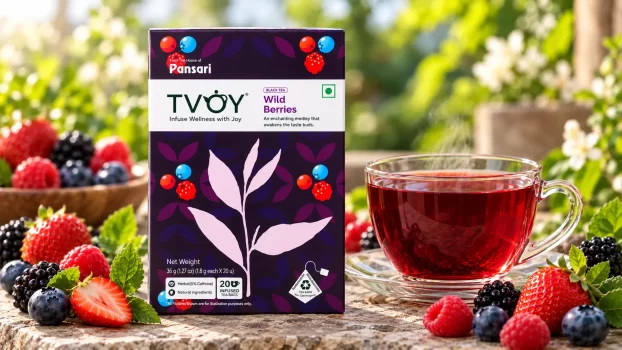
Wild Berry Tea Benefits: Health Benefits, Antioxidants & Side Effects
Wild berry tea benefits are closely tied to one key factor: what the tea is actually made from. Unlike a single-ingredient tea, most wild berry blends combine multiple fruits, botanicals, and plant-based extracts — and the specific ingredients determine what compounds the tea contains and what it may offer.
In general, wild berry teas are associated with antioxidant compounds such as polyphenols, flavonoids, and anthocyanins, along with contributions to daily hydration and a flavorful alternative to sugary beverages. But not every blend is the same, and understanding the ingredients in your specific tea is the most reliable way to evaluate its potential benefits.
This article goes beyond the basics to explain what wild berry tea may help with, how specific plant compounds work, what the current evidence suggests, what to know about caffeine, safety, and side effects, and how to choose a quality wild berry tea that aligns with your goals.
What Is Wild Berry Tea?
Wild berry tea is a fruit-forward infusion made from a blend of berries, botanicals, and plant-based ingredients. It typically includes ingredients such as hibiscus, rose hips, berry pieces, natural flavors, and occasionally other botanicals depending on the formulation.
For a full overview of what wild berry tea is, its types, preparation, and flavor, see the main wild berry tea guide. This article focuses specifically on its potential health benefits and what the evidence suggests.
What Is Wild Berry Tea Made From?
Common ingredients in wild berry tea blends include:
- Berry components — such as blackberry, blueberry, raspberry, strawberry, or elderberry, in dried, powdered, or extract form
- Hibiscus — a botanical often present in berry-forward blends that contributes both flavor and polyphenol content
- Rose hips — a natural source of vitamin C and antioxidant compounds
- Natural flavors — used to enhance the berry profile
- Other botanicals — such as lemongrass, fruit peel, or herbal additions depending on the blend
The exact composition varies significantly between products, which is why benefits and flavor can differ from one tea to another.
Is Wild Berry Tea a Herbal Tea?
Most wild berry teas are herbal infusions or fruit infusions, meaning they are made without tea leaves from the Camellia sinensis plant. This makes the majority of wild berry teas naturally caffeine-free — though some blended products may include green or black tea, which would add caffeine. Always check the ingredient list before assuming a berry tea is caffeine-free.
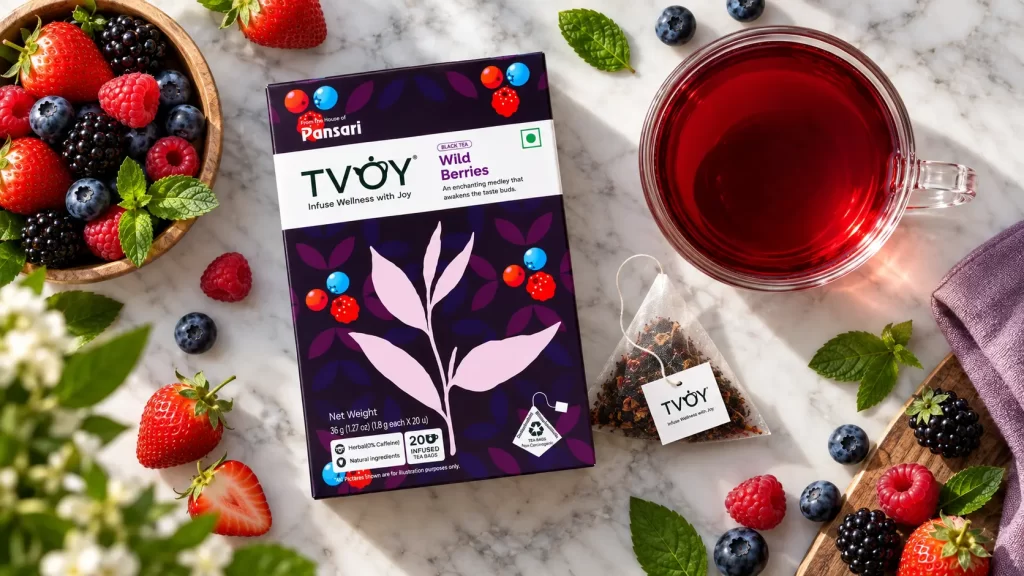
Wild Berry Tea Benefits
Wild berry tea benefits stem from the antioxidant compounds, plant-based ingredients, and hydrating properties found in a typical berry blend. Here is a closer look at what these teas may offer.
1. Provides Antioxidant Compounds
One of the most well-supported wild berry tea health benefits is its potential to deliver antioxidant compounds through ingredients like berries, hibiscus, and rose hips.
Berries are naturally rich in polyphenols — a broad category of plant compounds that includes flavonoids and anthocyanins. These compounds have been studied for their ability to neutralize free radicals, which are unstable molecules that can contribute to oxidative stress in the body over time.
When berries and botanicals like hibiscus are steeped in hot water, some of these compounds are extracted into the liquid, making them available for consumption. The quantity of antioxidants depends on the concentration of actual fruit or botanical material in the blend — not just the flavor.
2. May Support Overall Wellness
Research into the plant compounds found in berries — particularly polyphenols, flavonoids, and anthocyanins — suggests these compounds may play a role in supporting general wellness. Studies have explored their associations with cardiovascular markers, inflammatory responses, and cellular health.
It is important to note that the majority of this research focuses on berries as whole foods or concentrated extracts, not necessarily on brewed berry tea. The concentration of these compounds in a steeped infusion will generally be lower than in whole fruit. That said, regularly consuming a variety of plant-based compounds, including those found in herbal berry infusions, can be part of a balanced wellness approach.
3. Can Contribute to Daily Hydration
An often-overlooked benefit of drinking wild berry tea is hydration. Unsweetened wild berry tea is mostly water, and adequate fluid intake is fundamental to nearly every function in the body — from digestion to temperature regulation to cognitive performance.
For people who find plain water unappealing, a flavorful herbal infusion like wild berry tea can make it easier to meet daily fluid intake goals without reaching for sugary drinks. This is particularly relevant when the tea is consumed without added sweeteners.
4. May Complement Digestive Wellness
Certain botanicals commonly found in wild berry tea blends — including hibiscus and rose hips — have been traditionally used in the context of digestive comfort. Some early research suggests that hibiscus may have a mild influence on digestive function, though the evidence in humans is limited and further research is needed.
Wild berry tea should not be considered a treatment for any digestive condition. However, staying well-hydrated with herbal infusions can support general digestive function as part of an overall healthy diet.
5. Provides Plant-Based Compounds
Beyond antioxidants, wild berry teas contain a range of plant-based compounds that vary depending on the specific botanical ingredients used. Hibiscus, for example, contains organic acids, flavonoids, and anthocyanins. Rose hips contribute vitamin C and carotenoids. Dried berry pieces contribute their own range of polyphenols.
The breadth of plant compounds available in a multi-ingredient berry blend means that a well-formulated wild berry tea can offer more botanical diversity than a single-ingredient tea — though the amounts present in a brewed cup are generally modest.
6. Can Be an Alternative to Sugary Beverages
Unsweetened wild berry tea provides a flavorful, naturally low-calorie beverage option that can replace soda, juice, or other high-sugar drinks. Given that excess sugar consumption is associated with a range of health concerns — including weight gain, blood sugar fluctuations, and dental health issues — choosing unsweetened herbal infusions over sweetened beverages is a practical step for many people.
This benefit applies specifically to unsweetened versions. Pre-packaged or flavored wild berry teas with added sugar offer far less of this advantage.
7. Offers a Fruity and Refreshing Beverage Experience
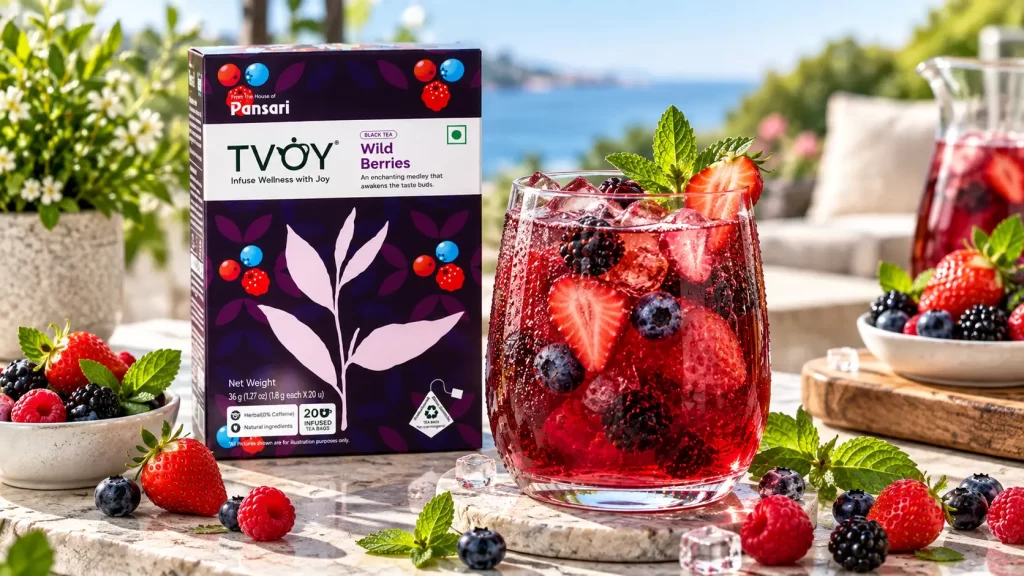
While not a clinical health benefit, enjoyment and consistency matter in any wellness routine. Wild berry tea is naturally fruit-forward, visually appealing — often a deep red or ruby color — and pleasantly refreshing both hot and iced. A beverage that tastes good and feels satisfying is far more likely to be consumed regularly, which supports the cumulative effect of its other potential benefits over time.
What Does Wild Berry Tea Help With?
Wild berry tea may help with:
- Antioxidant intake — by providing polyphenols, flavonoids, and anthocyanins from berry and botanical ingredients
- Daily hydration — as a flavorful, unsweetened fluid source
- Replacing sugary beverages — offering a naturally lower-calorie alternative to soda and juice
- General wellness — as part of a balanced diet that includes plant-based compounds
- Beverage variety — providing a caffeine-free or lower-caffeine option depending on the blend
Wild berry tea is not a treatment, cure, or remedy for any medical condition. Its benefits are associated with its nutritional and botanical properties as part of an overall healthy lifestyle, not as a standalone solution.
Wild Berry Tea and Antioxidants
Antioxidants are among the most discussed wild berry tea health benefits — and for good reason. Here is a closer look at the specific compounds involved.
Polyphenols in Berry-Based Tea
Polyphenols are a large family of naturally occurring plant compounds found in fruits, vegetables, tea, and botanicals. They are characterized by their molecular structure and their ability to interact with free radicals in the body. Berries are among the richest known dietary sources of polyphenols, making berry-based infusions a reasonable way to consume them in beverage form.
Anthocyanins in Berries
Anthocyanins are a subclass of flavonoids responsible for the deep red, blue, and purple pigments found in berries. Blackberries, blueberries, elderberries, and raspberries are all notable sources. Research has linked anthocyanin intake to potential antioxidant and anti-inflammatory effects, though much of this research comes from dietary studies and lab settings rather than clinical trials on brewed tea specifically.
The vivid color of many wild berry teas — particularly those that include hibiscus — reflects a meaningful concentration of these pigments.
Flavonoids and Other Plant Compounds
Flavonoids represent the broader class of polyphenols that includes anthocyanins, flavonols, and catechins. Hibiscus, a frequent ingredient in berry blends, is particularly rich in flavonoids and organic acids. Rose hips contribute flavonoids alongside vitamin C and carotenoids.
Together, these compounds contribute to the antioxidant profile of a well-formulated berry tea blend.
Antioxidants and Oxidative Stress
Oxidative stress occurs when there is an imbalance between free radicals and the body’s ability to neutralize them with antioxidants. Over time, this imbalance has been associated in research with cellular aging and a range of chronic health concerns.
Consuming dietary sources of antioxidants — including through beverages like berry infusions — may help support the body’s natural antioxidant systems. However, it is worth noting that no single food or drink eliminates oxidative stress, and the overall dietary pattern matters far more than any individual ingredient.
Wild Berry Tea Ingredients and Their Role
Understanding what wild berry tea is made from helps explain why benefits vary between products.
Berry Ingredients
Berries used in wild berry tea blends may include strawberry, blueberry, raspberry, blackberry, elderberry, or cranberry — in dried, concentrated, or extract form. Each berry variety brings a slightly different polyphenol profile. Blueberries and blackberries tend to be particularly rich in anthocyanins. Strawberries contribute flavonoids and vitamin C. Elderberries are associated with flavonol and antioxidant content.
The form and concentration of these berry ingredients in the tea bag significantly affects how many compounds are actually extracted into the brewed cup.
Hibiscus and Other Botanicals
Hibiscus is one of the most common botanicals in wild berry tea blends. It contributes a tart, cranberry-like flavor as well as a significant anthocyanin and organic acid content. It has been studied in relation to blood pressure markers, cholesterol levels, and antioxidant activity, though results vary and further research is needed.
Other botanicals such as rose hips, lemongrass, fruit peel, and natural flavor components may also appear depending on the specific blend.
Why the Ingredient List Matters
Two teas labeled “wild berry” may contain entirely different ingredients in different quantities. One may be predominantly hibiscus-forward with trace berry flavor; another may contain a rich blend of actual dried berries and botanicals. Reading the full ingredient list — not just the marketing name — is the most reliable way to understand what you are consuming and what benefits a specific tea may realistically offer.
Wild Berry Hibiscus Tea Benefits
A wild berry hibiscus tea is a specific type of wild berry blend in which hibiscus flowers form a primary botanical base alongside berry ingredients. This is one of the most common formulations on the market, and it has a distinct flavor and nutritional profile.
What makes it different:
- Hibiscus contributes a deep ruby color, tart flavor, and a meaningful concentration of anthocyanins and organic acids
- The combination of hibiscus and berry ingredients tends to produce a higher total polyphenol content than berry flavoring alone
- Hibiscus has been the subject of research into cardiovascular markers, antioxidant activity, and blood pressure — though results are mixed and the evidence base remains incomplete
Flavor profile:
Wild berry hibiscus tea is typically tart, fruity, and slightly floral. When cold-brewed or iced, it becomes a particularly refreshing option.
Caffeine:
Most wild berry hibiscus tea is naturally caffeine-free, as hibiscus and berries are not sources of caffeine. However, confirm this on the label if caffeine is a concern, particularly in blended products.
As with all wild berry teas, benefits depend on the actual ingredient composition and quantities — not the product name alone.
Wild Berry Zinger Tea Benefits
Wild berry zinger tea refers to a style of herbal berry blend typically characterized by a tangy, zesty flavor profile — often from a combination of hibiscus, citric acid, berry ingredients, and other tart botanicals.
What to know:
- Zinger-style blends are typically herbal infusions and are generally caffeine-free
- The tart character usually reflects a higher hibiscus or citric acid content
- Benefits align with those of other wild berry herbal teas: antioxidant compounds from berry and hibiscus ingredients, hydration, and a naturally flavorful beverage option
Important note:
Not every wild berry tea is a zinger-style blend, and not every zinger blend has the same ingredient list. Formulations vary between brands. The term “zinger” refers more to the flavor profile — bright, tangy, and energizing in taste — than to a specific set of health properties. Always read the label to understand what you are actually consuming.
Berry Tea Benefits: What Does the Evidence Suggest?
The broader research on berry tea benefits is promising but still developing. Here is an honest summary:
What is well-supported:
- Berries contain polyphenols, flavonoids, and anthocyanins — all of which are associated with antioxidant activity
- Hibiscus, a common ingredient in berry teas, has been studied in relation to blood pressure, cholesterol, and antioxidant markers with some positive findings, though results are not definitive
- Unsweetened berry tea contributes to fluid intake and can replace higher-calorie beverages
What is less certain:
- Most research focuses on concentrated berry extracts, whole berries, or berry supplements — not brewed tea
- The concentration of beneficial compounds in a typical tea bag infusion is generally lower than in whole fruit or standardized supplements
- Health outcomes in clinical settings depend on many variables beyond a single beverage
The honest bottom line:
Wild berry tea, as part of a varied and balanced diet, can contribute meaningful plant-based compounds. It is not a superfood solution, but it is a genuinely useful and enjoyable way to incorporate more botanical ingredients into your daily routine.
Does Wild Berry Tea Have Caffeine?
Most wild berry teas are naturally caffeine-free, but this depends entirely on the ingredients.
When Wild Berry Tea Is Naturally Caffeine-Free
When a wild berry tea is made purely from herbal and fruit ingredients — such as hibiscus, berries, rose hips, lemongrass, and natural flavors — it contains no caffeine. Berries and botanicals do not naturally contain caffeine, making most herbal and fruit infusions a suitable choice for people avoiding caffeine.
When a Berry Tea May Contain Caffeine
Some berry-flavored teas are blended with actual tea leaves from Camellia sinensis — such as green tea, black tea, or white tea. These blends will contain caffeine. A berry green tea, for example, would have a caffeine content comparable to a standard green tea. Similarly, some energy-focused berry blends may include added caffeine or caffeine-containing botanicals such as guarana.
This also answers the common question: does wild berry hibiscus tea have caffeine? In most cases, no — pure wild berry hibiscus blends are caffeine-free — but a blended product that includes tea leaves alongside hibiscus and berry ingredients would contain caffeine.
How to Check the Ingredient Label
- Look for Camellia sinensis, green tea, black tea, white tea, oolong, or guarana in the ingredient list
- Check if the packaging states “caffeine-free” or “naturally caffeine-free”
- If caffeine content is not listed and the ingredients are unclear, contact the manufacturer directly
Can You Drink Wild Berry Tea Every Day?
For most healthy adults, unsweetened wild berry herbal tea can be enjoyed daily as part of a varied and balanced diet. There is no universal limit that applies to every person, and the answer depends on several factors specific to the tea and the individual.
Key considerations:
- Ingredients: Teas containing hibiscus at very high daily quantities have been flagged in some studies for potential interactions — particularly with certain medications. Moderate daily consumption is generally considered reasonable.
- Caffeine: If the tea contains caffeine, your total daily caffeine intake from all sources matters. Most wild berry herbal blends are caffeine-free, which removes this concern.
- Added sugar: Pre-sweetened or flavored berry teas with added sugar contribute extra calories and should be consumed in moderation.
- Individual sensitivities: Some people may be sensitive to hibiscus, certain fruit acids, or specific botanicals. If you notice any discomfort, adjust consumption accordingly.
- Overall diet context: Wild berry tea is one part of a varied diet — not a standalone health solution. Daily enjoyment is fine, but replacing meals, water, or essential nutrients with tea is not advisable.
If you have a medical condition, take medications, or are pregnant, consult a healthcare provider before making any herbal tea a significant part of your daily routine.
Wild Berry Tea Side Effects and Safety
Wild berry tea is generally safe for most healthy adults when consumed in moderate amounts. However, there are some side effects and safety considerations worth knowing.
Possible Allergic Reactions
Some individuals may be allergic or sensitive to specific berries, botanicals, or natural flavor compounds used in berry tea blends. Symptoms can range from mild — such as a tingling sensation or mild digestive discomfort — to more significant reactions in people with known food allergies. If you have a known sensitivity to hibiscus, berries, or related botanicals, check the ingredient list carefully before consuming.
Caffeine Considerations
If your wild berry tea contains caffeine — from tea leaves or other caffeinated ingredients — consuming large quantities may lead to common caffeine-related side effects such as restlessness, disrupted sleep, increased heart rate, or mild anxiety in sensitive individuals.
Added Sugar
Wild berry teas with added sugar — whether pre-packaged, bottled, or heavily sweetened at home — lose much of the low-calorie benefit of herbal tea. High added sugar intake is associated with a range of health concerns over time.
Ingredient-Specific Sensitivities
- Hibiscus: At very high quantities, hibiscus may interact with certain antihypertensive medications. People managing blood pressure with medication should speak to a doctor about regular hibiscus tea consumption.
- Rose hips: Generally safe; contains vitamin C and antioxidants. Excessive amounts could theoretically cause mild digestive effects in very sensitive individuals.
- Citric acid: Present in many tart berry teas; may affect dental enamel if consumed very frequently in highly acidic form.
Pregnancy and Breastfeeding Considerations
Hibiscus is one ingredient in wild berry tea that has been flagged as potentially problematic during pregnancy. Some sources suggest hibiscus may stimulate uterine contractions, and its safety during pregnancy has not been thoroughly studied in humans. Pregnant or breastfeeding individuals should consult a healthcare provider before regularly consuming hibiscus-containing teas.
Wild Berry Tea and Weight Loss
Wild berry tea is not a weight-loss solution, and no reliable evidence supports the claim that drinking wild berry tea causes meaningful weight loss on its own.
That said, it can play a supporting role within a weight management approach in practical ways:
- Calorie replacement: Swapping a sugary soda, flavored coffee drink, or juice for unsweetened wild berry tea can meaningfully reduce daily calorie intake over time.
- Hydration: Staying well-hydrated supports metabolic function and can help manage appetite, though tea is not a substitute for addressing broader dietary and lifestyle factors.
- No added calories: An unsweetened herbal berry tea contains minimal to no calories, making it a suitable beverage choice when managing caloric intake.
Anyone seeking to manage their weight should focus on overall dietary patterns, physical activity, and sustainable lifestyle habits rather than any single beverage. Wild berry tea can be a pleasant part of that approach — but it is not a shortcut.
What Does Wild Berry Tea Taste Like?
Wild berry tea has a naturally fruity, berry-forward flavor that is both refreshing and pleasant. The exact taste depends on the ingredients.
Common flavor characteristics:
- Fruity and sweet-tart: Especially when berries and hibiscus are the primary ingredients
- Deep and slightly tangy: Hibiscus-forward blends tend toward a cranberry-like tartness
- Floral notes: Hibiscus flowers contribute a mild floral quality alongside the fruitiness
- Mellow sweetness: Berry pieces and natural fruit flavors round out the tartness without needing added sugar
- Refreshing: Particularly appealing when served cold or as iced tea
The intensity and balance of these flavors vary by formulation. A blend heavier on hibiscus will be more tart and vivid; one heavier on berry pieces and natural flavors will be sweeter and more mellow. Tasting different formulations is the best way to find your preferred profile.
How to Choose a Wild Berry Tea
Not all wild berry teas are created equal. Here is what to evaluate when selecting a blend.
Check the Ingredient List
The ingredient list is the most important factor. Look for real botanical ingredients — berries, hibiscus, rose hips — rather than products primarily composed of natural flavors and sweeteners with minimal actual fruit content.
Check Caffeine Information
Confirm whether the tea is caffeine-free or caffeinated. Most pure herbal wild berry blends are caffeine-free, but blended products with tea leaves will contain caffeine.
Look for Added Sugar
Choose unsweetened options whenever possible to maximize the health-relevant properties of the tea. Added sugar significantly changes the nutritional profile.
Check the Berry and Botanical Blend
A good wild berry tea should list recognizable botanical ingredients. A richer blend of actual berry and botanical components is generally more desirable than a product relying heavily on flavoring alone.
Consider Tea Bags or Loose Leaf
Tea bags offer convenience and consistent dosing. Loose leaf blends may allow more flexibility in strength and steeping time. Both formats can be high quality — the key is ingredient transparency in either case.
Check Brewing Instructions
Brewing time and water temperature affect both flavor and compound extraction. A good product should provide clear guidance on how to brew it correctly for the best result.
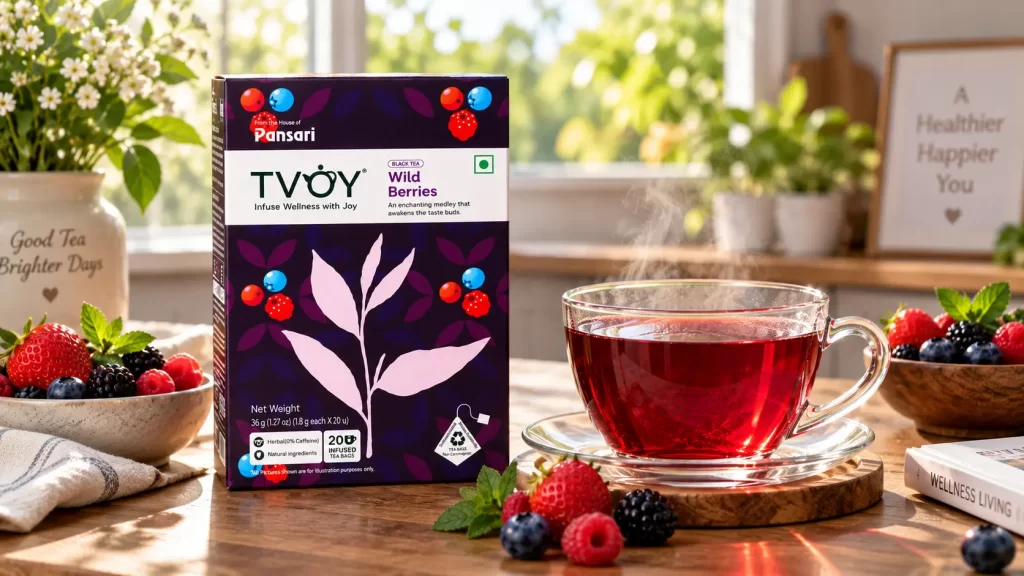
If you are looking for a straightforward starting point, TVOY Wild Berries Tea is a convenient option worth exploring — a berry tea blend in tea bag format that makes it easy to get started with a simple daily cup.
Wild Berry Tea Bags: What Should You Look For?
Berry tea bags are the most common and convenient format for brewing wild berry tea at home. When evaluating tea bags specifically:
- Ingredient transparency: The ingredient list on the packaging should be clear and complete
- Caffeine information: Look for “caffeine-free” or “naturally caffeine-free” if that is a priority
- Berry and botanical content: Prefer bags that list actual botanical ingredients rather than primarily flavoring
- Brewing instructions: Good packaging should include recommended water temperature and steeping time
- Bag material: Some consumers prefer unbleached or natural fiber tea bags; check the packaging if this matters to you
Tea bags are a practical option for daily use, travel, and consistent portion control.
Frequently Asked Questions
What are the benefits of wild berry tea?
Wild berry tea benefits include antioxidant compounds from ingredients like berries and hibiscus, support for daily hydration, a flavorful alternative to sugary beverages, and a range of plant-based compounds including polyphenols, flavonoids, and anthocyanins. Benefits vary depending on the specific ingredients in the blend.
What does wild berry tea help with?
Wild berry tea may help with antioxidant intake, daily fluid consumption, and replacing high-calorie or high-sugar beverages. It is not a treatment for any medical condition, but it can be a useful and enjoyable part of a balanced wellness approach.
What is wild berry tea good for?
Wild berry tea is good for providing plant-based compounds, contributing to hydration, and serving as a naturally flavorful, generally low-calorie beverage. It is particularly well-suited for people who want to enjoy a fruity, caffeine-free drink that goes beyond plain water.
Is wild berry tea good for you?
For most healthy adults, unsweetened wild berry herbal tea can be a beneficial beverage choice. It provides antioxidant compounds and supports hydration without added calories, provided it is consumed without added sugar and made from quality botanical ingredients. Individual factors — including health conditions, medications, and sensitivities — should also be considered.
Does wild berry tea have caffeine?
Most wild berry herbal teas are naturally caffeine-free because they are made from berries, hibiscus, rose hips, and other botanicals — none of which contain caffeine. However, some blended berry teas include green or black tea leaves, which do contain caffeine. Always check the ingredient list to confirm.
Can you drink wild berry tea every day?
Most healthy adults can enjoy unsweetened wild berry herbal tea daily without concern. Factors to consider include the specific ingredients, whether the tea contains caffeine, whether it has added sugar, and any individual sensitivities. People who take medications — particularly blood pressure medications — should speak with a healthcare provider about regular hibiscus consumption.
What is wild berry tea made from?
Wild berry tea is typically made from a blend of botanical ingredients that may include hibiscus, rose hips, dried or concentrated berry pieces (such as blackberry, blueberry, raspberry, or strawberry), natural flavors, and other botanicals depending on the formulation. Ingredient lists vary significantly between brands and blends.
Does wild berry tea contain antioxidants?
Yes — most wild berry teas contain antioxidant compounds including polyphenols, flavonoids, and anthocyanins from their berry and botanical ingredients. Hibiscus and berries are both notable sources of these compounds. The quantity available in a brewed cup depends on the concentration and form of those ingredients in the specific blend.
Are there any wild berry tea side effects?
Wild berry tea is generally safe in moderate amounts for healthy adults. Possible side effects include mild digestive discomfort in sensitive individuals, potential interactions between hibiscus and blood pressure medications, and caffeine-related effects if the tea contains tea leaves. Pregnant individuals should consult a healthcare provider before regularly consuming hibiscus-containing blends.
How do you make wild berry tea?
To make wild berry tea, place one tea bag in a mug, pour freshly boiled water over it, and steep for 5–7 minutes or as directed on the packaging. For iced tea, brew strong and pour over ice, or cold-brew overnight in the refrigerator for a smoother flavor. Avoid squeezing the tea bag, and enjoy plain or with a small amount of honey or lemon.
Final Takeaway
The most important thing to understand about wild berry tea benefits is that they depend on what is actually in the tea. A blend rich in berries, hibiscus, and botanicals like rose hips can provide meaningful antioxidant compounds — including polyphenols, flavonoids, and anthocyanins — that support general wellness as part of a balanced diet. Most wild berry herbal teas are also naturally caffeine-free, making them a versatile daily option for a wide range of people.
That said, wild berry tea is not a medicine. It does not cure disease, guarantee weight loss, or replace medical care. What it does offer is a genuinely enjoyable, plant-based beverage that contributes to hydration, provides botanical compounds, and serves as a far better option than sugary drinks.
When choosing a wild berry tea, prioritize ingredient transparency, look for real botanical content, and confirm caffeine status. The more you understand what is in your tea, the better you can evaluate its wild berry tea benefits for your own health and lifestyle.